You Won’t Believe What I Found in Bariloche’s Hidden Cultural Spots
Bariloche isn’t just about chocolate and mountain views—there’s a whole cultural heartbeat pulsing beneath the surface. I wandered off the postcard scenes and stumbled into local theaters, artisan studios, and indigenous exhibits that most tourists never see. This is more than travel—it’s connection. If you're craving authenticity in Argentina’s Lake District, let me take you where the real story unfolds.
Beyond the Chocolate Shops: Bariloche’s Cultural Soul
Nestled along the shores of Nahuel Huapi Lake, San Carlos de Bariloche is often celebrated for its alpine charm, Swiss-style architecture, and world-famous chocolate shops. Tourists flock here for panoramic views of snow-capped peaks, serene forest trails, and boat rides across glacial waters. While these attractions are undeniably beautiful, they only scratch the surface of what Bariloche truly offers. Beneath the postcard-perfect façade lies a rich cultural tapestry woven from indigenous heritage, European immigration, and modern Argentine creativity. To experience Bariloche fully is to look beyond the souvenir stands and explore the living traditions that shape its identity.
The city's cultural roots run deep, shaped by the Mapuche people who have inhabited northern Patagonia for centuries. Their influence can be seen in local art, language, and spiritual practices that honor the land and its rhythms. At the same time, waves of European settlers—particularly from Germany, Switzerland, and Italy—left a lasting imprint on Bariloche’s architecture, cuisine, and community values. This blend of indigenous and immigrant cultures has created a unique regional character that distinguishes Bariloche from other destinations in Argentina. Understanding this fusion enriches the travel experience, transforming casual sightseeing into meaningful engagement with place and people.
Cultural immersion doesn’t require grand gestures or special access—it begins with curiosity. Simply stepping into a neighborhood gallery, attending a public performance, or speaking with a local artisan can open doors to deeper understanding. When travelers make space for these moments, they move beyond being observers and become participants in the story of a place. In Bariloche, where nature and culture coexist in harmony, embracing this shift enhances not only the journey but also one’s sense of connection to the wider world.
Casa de la Cultura: Where Art and Community Meet
At the heart of Bariloche’s cultural life stands the Casa de la Cultura, a vibrant center dedicated to local expression and civic engagement. Housed in a modest yet inviting building near the city center, this institution serves as a dynamic hub for artists, performers, and residents alike. Its rotating exhibitions showcase everything from contemporary oil paintings to documentary photography capturing life in remote Patagonian villages. Unlike large national museums, Casa de la Cultura emphasizes accessibility and inclusivity, ensuring that art remains an integral part of everyday life rather than something confined to elite spaces.
Visitors to Casa de la Cultura will often find more than static displays—they may stumble upon a live poetry reading, a guitar recital by emerging musicians, or a weekend craft fair featuring handmade textiles and ceramics. Many of these events are free and open to the public, reflecting the center’s mission to democratize culture. Travelers are welcomed not as outsiders but as guests in a shared creative space. On any given afternoon, you might see children sketching in notebooks, elders discussing literary works, or tourists exchanging smiles with local painters eager to share their inspiration.
One of the most rewarding aspects of visiting Casa de la Cultura is the opportunity to attend hands-on workshops. These sessions, often led by practicing artists, cover skills such as watercolor painting, traditional weaving techniques, or even basic Spanish-language storytelling. No prior experience is needed, and materials are typically provided. For families traveling with children or solo visitors seeking meaningful interaction, these activities offer a gentle yet powerful way to connect with the local community. By rolling up your sleeves and creating alongside locals, you gain insight into the values, challenges, and joys that define life in this corner of Patagonia.
The true value of Casa de la Cultura lies not just in what it displays, but in how it brings people together. It represents a model of cultural sustainability—one where art is not preserved behind glass but lived, shared, and continuously reinvented. For travelers seeking authenticity, a visit here offers a rare glimpse into the soul of Bariloche, far removed from commercialized attractions. It reminds us that culture thrives not in isolation, but through dialogue, participation, and mutual respect.
Teatro Cervantes: A Night of Authentic Performance
Just a short walk from the bustling Civic Center, Teatro Cervantes stands as a testament to Bariloche’s enduring love for the performing arts. Built in the mid-20th century, this elegant theater blends European architectural influences with regional craftsmanship, evident in its ornate woodwork, warm lighting, and intimate seating arrangement. With a capacity of just over 500, the venue fosters a sense of closeness between performers and audience, making every show feel personal and immersive. Whether you’re drawn to classical music, tango, or traditional folk dances, a night at Teatro Cervantes promises an unforgettable cultural encounter.
Attending a live performance here is more than entertainment—it’s an emotional journey into the heart of Patagonian identity. Local orchestras often perform pieces inspired by the Andean landscape, using instruments like the bombo legüero (a traditional drum) and the quena (a wooden flute) to evoke the sounds of wind, water, and wilderness. Tango shows, though rooted in Buenos Aires, take on a distinct flavor in Bariloche, with dancers incorporating movements that reflect the region’s rugged terrain and resilient spirit. Regional folk ensembles, many composed of multi-generational families, present choreographed pieces that tell stories of migration, harvest, and community celebration.
What makes these performances especially meaningful is their authenticity. Unlike staged spectacles designed solely for tourist consumption, the productions at Teatro Cervantes are created by and for the local community. Artists rehearse for months, drawing from ancestral knowledge and personal experience to craft performances that resonate deeply with Argentine audiences. As a visitor, being invited into this space feels like receiving a gift—an opportunity to witness culture not as a display, but as a lived tradition passed down through time.
Planning a visit to Teatro Cervantes requires some forethought, as performances are typically scheduled on weekends and during cultural festivals. Tickets can be purchased online or at the box office, and prices remain affordable to ensure broad access. For non-Spanish speakers, the visual and musical elements of the shows transcend language barriers, allowing emotional connection even without full comprehension of lyrics or narration. The experience lingers long after the final curtain, offering a profound reminder that music and movement are universal languages capable of bridging cultures and generations.
Museo de la Patagonia: History That Comes Alive
For those eager to understand the forces that shaped Bariloche and its surrounding region, the Museo de la Patagonia Francisco P. Moreno is an essential destination. Located within Nahuel Huapi National Park, the museum occupies a historic building that once served as a prison and later a ranger station. Today, it houses a comprehensive collection dedicated to the natural and cultural history of northern Patagonia. Its exhibits unfold like chapters in a storybook, guiding visitors through millennia of geological change, ecological adaptation, and human presence in one of South America’s most dramatic landscapes.
The museum’s strength lies in its ability to make complex topics accessible and engaging. Permanent displays cover glacial formation, volcanic activity, and the evolution of native species such as the huemul deer and the Andean condor. Interactive panels and detailed dioramas help illustrate how ice sheets carved the lakes and valleys visible today, while geological samples from nearby mountains provide tangible evidence of the earth’s ongoing transformation. For families and lifelong learners alike, these exhibits offer both education and wonder, deepening appreciation for the natural world.
Equally compelling are the sections devoted to human history. The Mapuche people are respectfully represented through artifacts such as ceremonial tools, woven garments, and oral history recordings. These items are not presented as relics of the past, but as enduring expressions of a living culture. Other galleries explore the era of European exploration and settlement, featuring original maps, expedition journals, and personal belongings of early pioneers. One particularly moving display includes a reconstructed gaucho’s cabin, complete with handmade furniture and weathered clothing, offering a glimpse into the hardships and resilience of frontier life.
What sets Museo de la Patagonia apart is its commitment to context. Rather than isolating nature from culture, the museum shows how they are intertwined. For example, an exhibit on native flora explains not only botanical characteristics but also traditional uses in medicine, food, and spiritual practices. This holistic approach encourages visitors to see the region not as a scenic backdrop, but as a dynamic ecosystem shaped by both environmental forces and human stewardship. A visit here grounds the traveler, providing historical depth and ecological awareness that enrich every subsequent moment in Bariloche.
Off-the-Beaten-Path Artisan Studios in Barrio San Carlos
While downtown Bariloche buzzes with tourist traffic, the quieter neighborhood of Barrio San Carlos offers a different rhythm—one defined by creativity, craftsmanship, and community. Scattered among tree-lined streets and modest homes are small studios where local artisans practice time-honored trades. These workshops, often family-run and operating on a modest scale, produce everything from hand-thrown ceramics to intricately carved wooden furniture and handwoven ponchos. Unlike mass-produced souvenirs, these pieces carry the mark of individual skill and cultural memory, making them treasured mementos of a thoughtful journey.
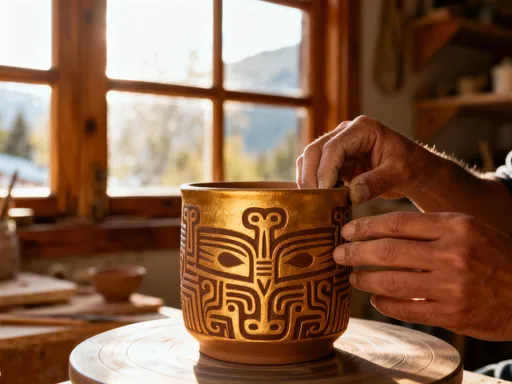
Visiting these studios is an exercise in slow travel. Most artisans welcome curious visitors, though appointments are sometimes recommended, especially during peak seasons. A typical stop might begin with a warm greeting over mate, Argentina’s traditional herbal tea, followed by a demonstration of the craft. In a ceramics workshop, you might watch clay transformed into elegant bowls using a foot-powered wheel, while a textile artist explains the symbolism behind geometric patterns in Mapuche-inspired designs. These interactions are not performances for tourists—they are glimpses into daily life, where making art is inseparable from living well.
One of the joys of exploring Barrio San Carlos is discovering how materials are sourced locally. Woodcarvers use lenga and coihue, native hardwoods known for their durability and rich grain. Textile makers dye wool with natural pigments derived from plants and minerals found in the Andes. This deep connection to the land reinforces a sustainable ethos that values quality over quantity and tradition over trends. Supporting these creators means contributing directly to their livelihoods and helping preserve artisanal knowledge that might otherwise fade.
To engage respectfully, travelers should approach these visits with humility and openness. Ask questions, listen actively, and avoid treating artisans as attractions. Purchasing a piece is meaningful, but so is simply acknowledging their work with genuine appreciation. Many artists are happy to share stories behind their creations, offering insights into personal journeys, cultural influences, and creative challenges. In these conversations, the boundary between visitor and local softens, creating space for authentic human connection.
Festivals That Reveal the Local Spirit
Bariloche’s cultural calendar is marked by vibrant festivals that bring the community together in celebration of heritage, art, and nature. These events offer travelers a rare window into local life, transforming the city from a scenic destination into a living, breathing cultural landscape. Among the most notable is the National Chocolate Festival, held each May in honor of Bariloche’s famous confectionery tradition. Far from a simple candy fair, this week-long event includes chocolate sculpting competitions, tastings led by master chocolatiers, and workshops on cacao history and production. It’s a sweet introduction to the city’s identity, blending indulgence with education and community pride.
Equally significant is the Folk Music Gathering, a festival that honors Argentina’s rich musical roots. Held in open-air plazas and community centers, the event features performances by regional musicians playing instruments such as the guitar, bandoneón, and bombo. Songs often recount stories of love, labor, and landscape, connecting listeners to the emotional fabric of rural life. Attendees are encouraged to join in—clapping along, dancing simple steps, or even singing choruses learned on the spot. This participatory spirit reflects a broader cultural value: that music belongs to everyone, not just professionals on a stage.
Other seasonal events, such as the Lake Festival in summer and the Craft Beer Fair in autumn, further illustrate how Bariloche balances tradition with innovation. The Lake Festival celebrates the city’s relationship with Nahuel Huapi through boat parades, indigenous blessings, and environmental education programs. Meanwhile, the Craft Beer Fair highlights a growing trend in Patagonia—small-batch brewing that incorporates local ingredients like wild berries and mountain herbs. These festivals are not curated for tourists; they are genuine expressions of local identity, open to all who wish to participate.
For travelers planning a visit, aligning their trip with one of these festivals can dramatically enhance the experience. Event dates are typically announced months in advance, and accommodations should be booked early due to increased demand. Even if you miss a major celebration, smaller neighborhood gatherings occur year-round, often advertised on community bulletin boards or social media pages. Attending any of these events allows you to witness culture in motion—spontaneous, joyful, and deeply rooted in place.
How to Experience Culture Like a Local—Not a Tourist
Experiencing Bariloche’s culture authentically begins with intention. It means moving beyond checklists and photo ops to embrace presence, patience, and humility. One of the simplest yet most powerful steps is learning a few basic phrases in Spanish. Greeting shopkeepers with a warm “buenos días,” thanking an artisan with “muchas gracias,” or asking “¿puedo ver más?” (may I see more?) signals respect and opens doors to warmer interactions. Language is more than communication—it’s a gesture of goodwill that fosters trust and connection.
Timing also plays a role in meaningful engagement. Many cultural sites, including museums and artisan workshops, are less crowded in the early morning hours. Visiting at this time not only avoids peak tourist traffic but also increases the likelihood of one-on-one conversations with staff or creators. Similarly, attending performances or festivals earlier in the day often means experiencing them alongside locals rather than fellow travelers. These quiet moments—sipping mate with a gallery attendant or watching children perform folk dances before a packed plaza—often become the most memorable parts of a trip.
Engaging with local guides is another effective way to deepen understanding. Certified cultural guides in Bariloche are trained to share accurate, respectful narratives about the region’s history and traditions. They can lead walking tours focused on architectural details, indigenous symbolism, or the evolution of local crafts. Rather than reciting scripted facts, the best guides encourage questions, share personal anecdotes, and adapt their storytelling to the interests of their guests. Their insights add layers of meaning to every site visited, transforming a simple stroll into a journey through time and memory.
Equally important is the practice of respectful observation. When visiting sacred or ceremonial spaces, such as Mapuche cultural exhibits or community gatherings, it’s essential to follow local customs. This may include asking permission before photographing people, dressing modestly, or refraining from touching objects on display. These small acts of consideration demonstrate that you value the culture not as a spectacle, but as a living tradition deserving of dignity. In return, locals are often more willing to share stories, offer invitations, or extend gestures of hospitality.
Ultimately, experiencing culture like a local is about slowing down. It’s choosing to sit awhile in a neighborhood café, to watch how people interact, to notice the rhythm of daily life. It’s understanding that the most profound travel moments often occur in stillness, not motion. By embracing this mindset, travelers move from passive consumption to active participation, creating memories that are not just seen, but felt.
The true magic of Bariloche lies not in its chocolate or postcard vistas, but in its living culture—expressed in art, music, craft, and community. These hidden spots, often overlooked by guidebooks, hold the essence of what makes travel transformative. They remind us that the world is not a collection of sights to be seen, but a web of stories to be shared. For those willing to look beyond the surface, Bariloche offers more than a getaway—it offers connection, understanding, and a renewed sense of wonder. The most unforgettable journeys are not measured in miles, but in moments that change how we see the world—and ourselves.