You Won’t Believe What I Found at Bangkok’s Hidden Temples
Bangkok isn’t just street food and skyscrapers—there’s a deeper rhythm beneath the chaos. I stepped off the beaten path and into centuries-old traditions, from temple rituals to local festivals most tourists miss. What I experienced wasn’t staged for cameras; it was real, raw, and breathtaking. If you're looking for culture beyond the guidebooks, this city will surprise you. Let me show you how to truly connect with its soul. This journey is not about ticking off landmarks, but about slowing down, listening, and allowing yourself to be moved by the quiet dignity of everyday life in Thailand’s capital.
Arrival in Bangkok: First Impressions Beyond the Hype
Touching down at Suvarnabhumi Airport, the warmth of the Thai air wraps around you like a familiar blanket. The scent of jasmine and diesel, the hum of distant tuk-tuks, and the golden spires visible even from the airport shuttle all signal that you’ve entered a city where ancient tradition and modern life coexist in constant dialogue. For many travelers, Bangkok begins and ends with the well-trodden paths of Khao San Road or Siam Square. But beyond these tourist-centric zones lies a different kind of energy—one that pulses through quiet alleyways, riverside communities, and neighborhood markets where life unfolds at a human pace.
Choosing where to stay can shape your entire experience. Opting for accommodations near cultural hubs such as Thonburi, Bang Rak, or Phra Nakhon allows you to wake up to the sounds of temple bells rather than traffic horns. These areas are not only rich in history but also serve as gateways to authentic daily routines. Staying in a family-run guesthouse or a heritage boutique hotel often means personalized guidance from locals who know the best times to visit temples without crowds, or which morning market serves the most fragrant jasmine rice.
The first step toward meaningful travel is resisting the urge to rush. Many visitors try to pack every major site into a single day, missing the subtle beauty of simply being present. Slowing down upon arrival—taking a quiet walk along the Chao Phraya River at dusk, sipping herbal tea at a corner stall, or observing elderly women folding lotus blossoms for temple offerings—sets the tone for deeper connection. It signals to both host and guest that this is not just another checklist trip, but an intention to engage with the city on its own terms.
The Spirit of Thai Temples: More Than Just Photo Ops
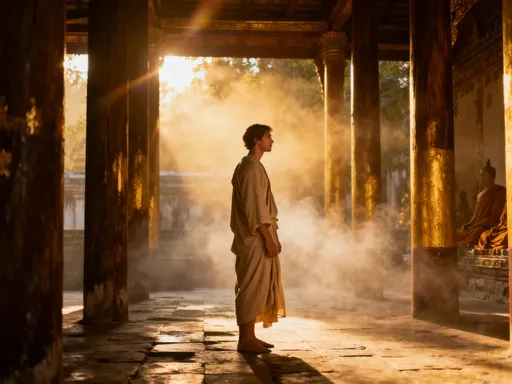
Wat Pho and Wat Arun are among the most photographed temples in Thailand, yet few visitors experience them as they were intended: as living centers of spiritual practice. While tourists line up for perfect Instagram shots, monks begin their day before sunrise with silent meditation and chanting. Arriving early—by 6:00 a.m.—offers a rare glimpse into this sacred rhythm. At Wat Pho, the massive reclining Buddha is not merely a statue but a focal point of devotion. Locals kneel barefoot on cool marble, placing lotus buds and gold leaf at its feet, their faces illuminated by flickering candlelight.
Understanding temple etiquette transforms a casual visit into a respectful exchange. Covering shoulders and knees, removing shoes before entering prayer halls, and speaking in hushed tones are not just rules—they are signs of reverence. More importantly, silence is honored. Sitting quietly in a shaded courtyard, watching sunlight filter through banyan trees, one begins to feel the stillness that permeates these spaces. This peace is not accidental; it is cultivated through centuries of mindfulness and ritual.
Morning alms giving, or *tak bat*, is another profound experience available to respectful observers. Along quiet streets near monasteries, families line up with small baskets of rice and fruit, offering food to passing monks. This daily act of merit-making is not performed for spectacle but as a personal spiritual duty. As a visitor, you are welcome to observe from a distance, camera down, heart open. In that moment, you’re not just seeing culture—you’re witnessing its heartbeat.
Festivals That Define the City’s Pulse
Songkran, the Thai New Year, is often portrayed in travel media as a citywide water fight. While laughter and splashing are indeed part of the celebration, reducing it to a party misses its deeper significance. At its core, Songkran is a ritual of purification and renewal. Families clean their homes, visit elders to pour scented water over their hands as a sign of respect, and make offerings at temples. The water play that follows is symbolic—a joyful expression of washing away the past year’s misfortunes.
Participating authentically means joining a neighborhood family in preparing for the festival. I had the honor of helping an elderly woman in Bang Rak arrange marigolds and sandalwood powder on her home altar. Later, we walked together to her local temple, where monks blessed small clay figurines representing bad luck, which were then ceremonially washed away. Only after these rituals did the water games begin—and even then, they were gentle, inclusive, and filled with intergenerational joy.
Loy Krathong, the Festival of Lights, offers another window into Bangkok’s soul. Held on the night of the full moon in November, it celebrates gratitude to the water goddess and seeks forgiveness for polluting rivers. Tourists often buy mass-produced krathongs from vendors, but the most meaningful experience comes from making one by hand. I joined a riverside family in Nonthaburi as they wove banana leaves into lotus shapes, added candles and incense, and whispered personal wishes before releasing them onto the dark water. Watching hundreds of flickering lights drift downstream under a starlit sky was a moment of collective serenity few forget.
Timing your visit around these lunar-based festivals requires planning, but the reward is immeasurable. These are not performances for tourists; they are deeply rooted in Thai cosmology and community values. When you participate with humility and understanding, you’re not just observing culture—you’re becoming part of it, if only for a night.
Traditional Arts Alive in Everyday Life
Beyond the temples and festivals, Bangkok’s artistic heritage thrives in hidden workshops and quiet studios. In the narrow lanes of Talat Noi, an aging master carves intricate shadow puppets from cured cowhide, each figure representing characters from the Ramakien, Thailand’s version of the Ramayana. These puppets are not souvenirs but tools for storytelling, used in *nang yai* performances that blend dance, music, and moral instruction. Watching him work—his hands steady despite arthritis—was a lesson in patience and dedication.
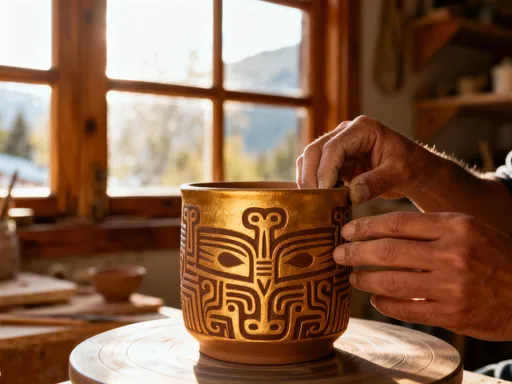
Further south, in a courtyard behind a 19th-century shophouse, artisans apply gold leaf to wooden temple doors using techniques passed down for generations. The process is meticulous: first, a thin layer of lacquer is painted on; then, the artisan breathes gently on the surface to create moisture before pressing the delicate gold sheet into place. No machinery, no shortcuts—just breath, touch, and time. Visitors can observe and even try a small piece under guidance, an experience that fosters deep appreciation for the unseen labor behind sacred art.
One evening, I attended a classical Khon masked dance performance in a small community hall in Thonburi. Unlike the tourist-oriented shows at major theaters, this one was performed by local volunteers, many of them students training under a retired national artist. The elaborate costumes, the slow, stylized movements, and the live piphat orchestra created a hypnotic atmosphere. There were no English subtitles, no program notes—just the power of movement and music to convey timeless stories of love, duty, and divine justice. Afterward, the performers welcomed questions, sharing how they balance modern jobs with nightly rehearsals to keep this UNESCO-recognized art form alive.
Supporting such initiatives—whether by attending performances, purchasing handmade crafts, or donating to local arts cooperatives—ensures that these traditions are not lost to time. These are not relics of the past but living expressions of identity, sustained by everyday Thais who believe in their value. When you engage with them, you honor not just art, but the people who carry it forward.
Food as Cultural Gateway: Beyond Pad Thai
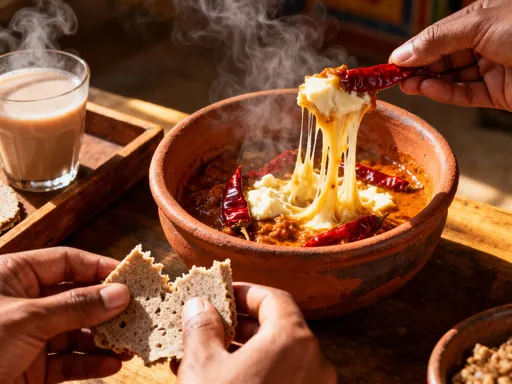
No journey into Bangkok’s soul is complete without exploring its culinary heart. While pad Thai and green curry are beloved introductions, the city’s true flavors lie in its regional diversity and generational recipes. I began my food journey in Or Tor Kor Market, widely regarded as one of Asia’s best fresh markets. There, a 72-year-old vendor named Khun Somjai invited me on a morning tour of her favorite stalls. She explained how northern Thai cuisine uses turmeric and fermented soybeans, while southern dishes rely on coconut milk and fiery chilies—a reflection of geography, trade, and climate.
Later that day, I joined her in her Chinatown kitchen to learn how to make *khao soi*, a coconut-based noodle soup with Burmese roots. As we pounded curry paste with a granite mortar and pestle, she shared how her grandmother taught her to balance flavors: sour from lime, salty from fish sauce, sweet from palm sugar, spicy from fresh bird’s eye chilies. Cooking alongside her—our hands covered in turmeric, laughter filling the small room—was more than a lesson in technique. It was an exchange of care, history, and belonging.
What makes Thai food so powerful is its connection to memory and place. A simple dish like *som tam* (papaya salad) varies dramatically from region to region: in Isaan, it’s pungent with fermented crab; in Bangkok, it’s milder, often sweetened for local taste. Understanding these nuances requires more than tasting—it demands listening. Asking questions, learning names, remembering stories—these are the ingredients that transform a meal into a moment of connection.
For travelers, joining a market tour led by a local elder or taking a home-based cooking class offers more than skills. It builds bridges. And when you later recreate that dish in your own kitchen, you’re not just cooking—you’re carrying a piece of Bangkok’s spirit across the world.
Connecting with Communities: The Heart of True Travel
The most transformative experiences in Bangkok happen not in museums or malls, but in ordinary moments shared with locals. I spent three nights in a riverside homestay in Bang Kruai, a quiet village accessible only by longtail boat. There, I woke at dawn to help prepare sticky rice for the morning alms round, then joined the family in tending their small herb garden. We didn’t speak the same language fluently, but we communicated through gestures, shared chores, and quiet companionship.
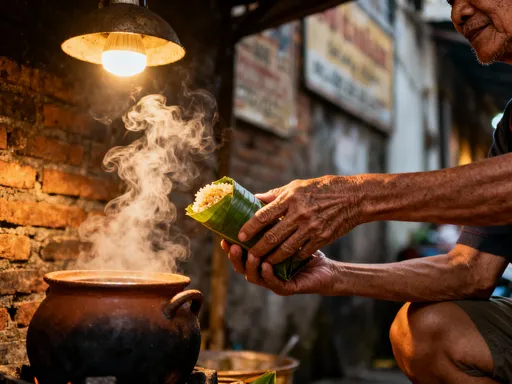
One afternoon, the village monk invited guests to participate in a merit-making ceremony. We wrapped offerings in banana leaves—rice, fruit, and soap—and presented them at the local temple. He explained that merit is not about reward, but about cultivating generosity and mindfulness. Sitting cross-legged on the floor, listening to the low chant of Pali scriptures, I felt a deep sense of calm—not because I understood every word, but because I was present, accepted, and part of something larger.
These small interactions—sharing a meal, learning a few words of Thai, laughing over a mispronounced phrase—are what create lasting memories. They remind us that travel is not about collecting destinations, but about building human connections. In a world that often feels fragmented, such moments restore a sense of belonging. They teach humility, curiosity, and gratitude—the quiet virtues of meaningful travel.
Practical Wisdom for Meaningful Cultural Travel
Engaging deeply with Bangkok’s culture requires more than good intentions—it demands thoughtful preparation. What you pack can reflect your respect. Lightweight, modest clothing that covers shoulders and knees is essential for temple visits. A small reusable bag for offerings or market purchases shows mindfulness of waste. Avoid loud patterns or beachwear in religious or residential areas. Most importantly, bring an open mind and a willingness to adapt. Smiles and patience go further than any phrasebook.
Transportation choices also shape your experience. While taxis and ride-sharing apps are convenient, using public boats along the Chao Phraya River or local buses connects you to the city’s rhythm. The orange flag boats, for instance, serve both commuters and visitors, offering affordable access to hidden temples and quiet neighborhoods. Asking fellow passengers for directions—or simply following their lead—often leads to unexpected discoveries.
Perhaps the most important skill is discerning authenticity from performance. Staged shows, while entertaining, often simplify or exoticize culture. Look for experiences rooted in community: family-run homestays, volunteer-led workshops, neighborhood festivals. Ask questions: Who benefits from this activity? Is it part of daily life, or created solely for tourists? When in doubt, choose the option that feels quieter, less advertised, and more integrated into local routines.
Finally, practice the Thai concept of *sanuk*—finding joy in what you do. Whether waiting for a delayed boat or navigating a crowded market, approach challenges with lightness and humor. This attitude, more than any itinerary, will open doors to genuine connection.
Conclusion
Bangkok’s true magic isn’t in check-in photos—it’s in moments of quiet connection, in shared rituals, and in the humility of learning from others. When we move beyond sightseeing and open ourselves to cultural exchange, we don’t just visit a place—we begin to understand it. The city invites you not to watch, but to participate. From the hush of a morning temple to the warmth of a home-cooked meal, from the flicker of a handmade krathong to the rhythm of a monk’s chant, Bangkok offers not just sights, but soul.
Travel at its best is not about accumulation, but transformation. It’s about returning home with a broader heart, a deeper curiosity, and a renewed sense of our shared humanity. The temples, the festivals, the food, the people—they are not just attractions. They are invitations. And when you accept them with respect and openness, you discover that the most unforgettable journeys are not measured in miles, but in moments that change you.
The city is waiting. Are you ready to truly arrive?