You Won’t Believe These Hidden Gems in Yekaterinburg
Yekaterinburg isn’t just a stop between Moscow and Siberia—it’s a city of surprises. I went expecting industrial grit, but found stunning parks, secret courtyards, and views that took my breath away. If you’re looking for scenic spots off the tourist trail, this city delivers. Let me show you the side of Yekaterinburg most people never see. Nestled at the edge of the Ural Mountains, this vibrant city blends history, nature, and urban life in ways that surprise even seasoned travelers. Beyond its reputation as a crossroads of empires and industries lies a softer, greener, more intimate world—where rivers wind through forests, courtyards bloom behind iron gates, and art rises from unexpected walls. This is not a city of loud declarations, but of quiet revelations.
Beyond the Urals: Discovering Yekaterinburg’s Natural Beauty
At first glance, Yekaterinburg may appear as a sprawling post-Soviet city with wide boulevards and functional architecture. Yet just beyond the concrete skyline, nature begins to rise—gently at first, then more insistently. The city sits where the European plains meet the foothills of the Ural Mountains, creating a unique transition zone that supports diverse ecosystems. Forests of birch, pine, and aspen wrap around residential districts, while rivers cut through valleys like green seams holding the city together. This natural embrace isn’t incidental—it’s integral to how locals live, relax, and reconnect with the land.
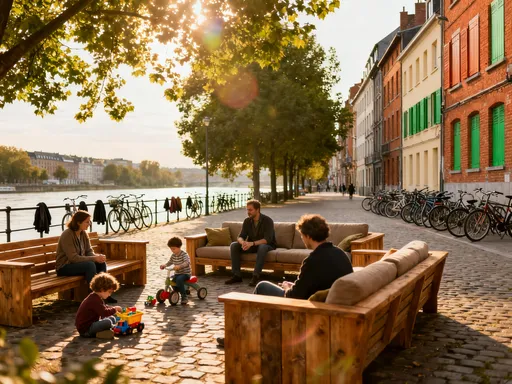
One of the most accessible introductions to this natural duality is the Iset River embankment. Flowing through the heart of the city, the riverbanks have been thoughtfully developed with walking paths, benches, and observation decks. In spring and summer, wildflowers bloom along the trails, and families gather for strolls or paddleboat rides on the calm waters. The contrast between the urban backdrop and the flowing greenery creates a peaceful rhythm, especially in the early morning when mist hovers above the water. During winter, the scene transforms into a quiet monochrome landscape, where snow-draped trees and frozen river surfaces offer a different kind of beauty—still, reflective, and serene.
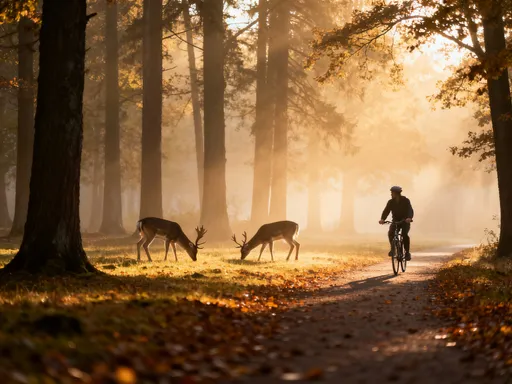
Equally rewarding is a visit to Shartash Forest, located just a short drive from the city center. This expansive woodland area offers hiking trails, picnic zones, and even small glacial lakes formed thousands of years ago. The forest is particularly beautiful in autumn, when the leaves turn golden and crimson, casting a warm glow over the winding paths. Birdwatchers may spot woodpeckers, finches, and owls, while children delight in collecting pinecones or spotting animal tracks in the snow. What makes Shartash special is its balance between accessibility and wildness—visitors can reach it easily by public transport or car, yet once inside, the sounds of the city fade, replaced by rustling leaves and distant bird calls.
Seasonal changes significantly influence the experience of Yekaterinburg’s natural spaces. Spring brings melting snow and rushing streams, making waterfall hikes especially dramatic. Summer offers long daylight hours—ideal for evening walks or open-air concerts in the parks. Autumn paints the city in rich colors, while winter invites contemplative strolls through snow-covered woods. Each season reveals a different layer of the city’s character, encouraging repeat visits and deeper appreciation. For families, retirees, or anyone seeking calm amidst urban life, these natural zones provide essential breathing room—spaces to slow down, reflect, and simply be.
Hidden Courtyards and Architectural Surprises
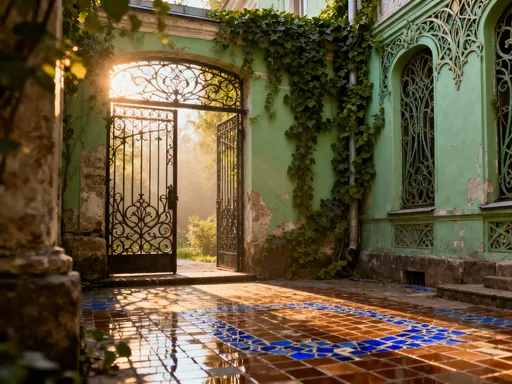
Behind the sturdy facades of Yekaterinburg’s 19th- and early 20th-century buildings lie some of the city’s best-kept secrets: private courtyards that feel like hidden gardens. These interior spaces, often invisible from the street, were originally designed as communal areas for residents of multi-family homes. Over time, many have been lovingly maintained or restored, transforming into oases of tranquility amid the urban rush. Walking through an ornate iron gate into one of these courtyards is like stepping into another world—one filled with climbing roses, tiled fountains, and the soft chime of wind bells.
The architectural details in these courtyards are nothing short of remarkable. Art Nouveau influences are evident in flowing stone carvings, floral metalwork, and stained-glass transoms above doorways. Some buildings feature mosaic tile murals depicting pastoral scenes or geometric patterns, while others boast wooden balconies with hand-turned railings. These elements reflect a time when craftsmanship was valued not just for beauty, but as a sign of dignity and pride in one’s home. Even today, many residents continue this tradition, tending flower beds, repairing old stonework, and welcoming respectful visitors with quiet approval.
Exploring these courtyards requires a gentle approach. Unlike museums or public squares, these are lived-in spaces, and privacy must be honored. The best way to visit is on foot, wandering through older neighborhoods like those near Vайнova Street or Lenina Avenue, where clusters of historic buildings remain intact. Look for open gates or signs permitting entry—some courtyards host seasonal flower exhibitions or small art displays, especially in summer. Others are closed to the public, and that’s okay. Simply pausing to admire the craftsmanship from the sidewalk can be rewarding. A respectful demeanor—quiet voices, no littering, no intrusive photography—goes a long way in preserving the spirit of these places.
Local preservation groups have played a vital role in protecting these architectural treasures. Through advocacy and community projects, they’ve helped restore damaged facades and raised awareness about the cultural value of historic housing. Some building cooperatives even offer guided tours during city heritage weekends, giving visitors a chance to learn about construction techniques, family histories, and daily life in pre-revolutionary Yekaterinburg. These efforts ensure that the city’s past isn’t erased by modernization, but woven into its present fabric. For the thoughtful traveler, these courtyards offer more than beauty—they offer connection, a sense of continuity between generations and a reminder that home is more than four walls.
Green Escapes: Parks That Feel Worlds Away
While Yekaterinburg is known for its industrial legacy, it is also a city rich in green spaces—many of which remain under the radar for international visitors. Beyond the well-trodden paths of City Pond Park lies a network of quieter, more intimate parks where locals unwind, children play, and nature thrives. These green escapes offer not just recreation, but restoration—a chance to reset the mind and body in settings that feel far removed from urban stress.
Park Lipovaya Roshcha, for instance, is a favorite among families and older residents seeking peace. Named after the linden trees (lipa) that dominate its canopy, this park unfolds along a gentle slope dotted with benches, flowerbeds, and small playgrounds. In early summer, the lindens bloom, filling the air with a sweet, honey-like fragrance that attracts bees and draws visitors for quiet meditation or afternoon reading. Pathways are well-paved but never crowded, allowing for uninterrupted walks. The park also features a small pond where ducks glide across the surface, and in winter, it becomes a modest skating area for neighborhood children.
Another lesser-known gem is Mayakovsky Park, located near the Academic neighborhood. Though modest in size, it punches above its weight in charm. Landscaped with winding trails, wooden bridges over seasonal streams, and clusters of rhododendrons, it offers a sense of discovery with every turn. Unlike larger parks, Mayakovsky sees fewer tourists, making it ideal for photography, sketching, or simply sitting with a book. Benches are thoughtfully placed under trees, providing shade in summer and shelter from wind in colder months. Local volunteers often organize clean-up days, reinforcing a culture of care and shared responsibility.
For those planning a visit, timing can make a difference. Early mornings and weekday afternoons are the quietest, offering the best chance to enjoy the parks without foot traffic. Picnic areas are available in both locations, though visitors should bring their own blankets and dispose of waste properly. Birdwatchers will appreciate the variety of species, from sparrows and magpies to the occasional heron near water features. Whether you’re traveling alone or with family, these parks invite you to slow down, breathe deeply, and reconnect with the simple joy of being outdoors. They remind us that beauty doesn’t always require grandeur—sometimes, it’s found in a patch of sunlight through the leaves.
The Iset River: A Scenic Spine Through the City
The Iset River is more than a waterway—it’s a defining feature of Yekaterinburg’s identity. Flowing from north to south, it cuts through the city like a silver ribbon, shaping neighborhoods, inspiring art, and offering countless vantage points for reflection and recreation. Its presence is felt everywhere, from the historic dam near the city center to the quieter stretches where willows dip into the current. For centuries, the river supported industry, but today, it serves a gentler purpose: connecting people to nature and to each other.
One of the most iconic viewpoints is the Dam Bridge, a pedestrian span that crosses the upper reservoir created by the city’s historic dam. From here, visitors can see the full breadth of the river, flanked by green banks and framed by the skyline. The sound of water spilling over the dam creates a soothing background hum, especially calming after a day of city exploration. Benches line the walkway, inviting pauses for contemplation or conversation. In winter, the area becomes a magical setting for ice sculptures, often displayed during holiday festivals, when colored lights reflect off the frozen surface.
Further downstream, the Floating Bridge area offers a different kind of experience. Originally built as a temporary military crossing, the current structure has been reimagined as a modern pedestrian zone with artistic railings and open views. It’s a popular spot for evening walks, where couples, families, and solo strollers gather to watch the sunset paint the sky in soft pinks and oranges. Riverside cafes nearby serve warm drinks and light meals, allowing visitors to linger comfortably. Some offer outdoor seating with umbrellas, perfect for summer afternoons.
The riverbanks are also lined with well-maintained walking and cycling trails, making them accessible year-round. In warmer months, kayaking and paddleboarding are available through local rental services, providing a unique perspective of the city from the water. Even in winter, when parts of the river freeze, locals continue to use the paths for jogging or dog walking. Seasonal events, such as open-air concerts or craft markets, further enliven the riverside, creating a dynamic yet peaceful atmosphere. The Iset River, in all its forms, stands as a testament to how nature and urban life can coexist harmoniously—each enhancing the other.
Hiking the Nearby Wilds: Day Trips to Natural Landmarks
For those willing to venture beyond city limits, Yekaterinburg offers access to breathtaking natural landscapes within a one- to two-hour drive. These day-trip destinations provide a deeper immersion into the Ural wilderness, where rocky outcrops, mountain trails, and pristine lakes await. They are perfect for families, outdoor enthusiasts, or anyone craving a full day of fresh air and physical activity.
One of the most accessible and rewarding hikes leads to Big Rock, known locally as Bolshoy Kamen. This massive granite formation rises dramatically from the forest floor, offering panoramic views of the surrounding hills and valleys. The trail to the summit is moderate in difficulty—well-marked and manageable for older children and adults with average fitness. Along the way, hikers pass through mixed forests, cross small streams, and may spot deer or foxes in the early morning hours. At the top, a flat viewing platform allows for safe sightseeing, and on clear days, the horizon stretches for miles. The site is especially popular at sunrise and sunset, when the rock glows in warm hues, creating a memorable photo opportunity.
Another excellent destination is Ozerny Mountain, located near the village of Koltsovo. Less crowded than Big Rock, it offers a more secluded experience with equally stunning rewards. The trail winds through dense pine forest before opening up to rocky slopes and alpine meadows. A small lake at the base adds to the scenic value, reflecting the sky like a mirror. This area is ideal for birdwatching and plant identification, as it hosts species adapted to higher elevations. Wild strawberries and blueberries grow along the path in summer, offering a sweet treat for careful foragers.
Transport options vary—some visitors drive, while others join organized tours or use regional buses. Regardless of how you arrive, preparation is key. Weather in the Urals can change quickly, so layers, waterproof gear, and sturdy footwear are essential. Carrying water, snacks, and a basic first-aid kit ensures safety and comfort. Most importantly, visitors should practice eco-friendly habits: staying on marked trails, avoiding littering, and respecting wildlife. These natural areas are fragile, and their preservation depends on mindful behavior. By planning thoughtfully and traveling responsibly, you can enjoy these landscapes without leaving a trace—only memories.
Urban Art Meets Nature: Murals and Sculptures in Unexpected Places
In recent years, Yekaterinburg has embraced public art as a way to revitalize neighborhoods and express cultural identity. What sets the city apart is how seamlessly these artistic expressions blend with natural surroundings. Murals appear on the sides of buildings nestled among trees, sculptures emerge from flowerbeds, and poetry is engraved on stone benches along forest trails. This integration transforms ordinary spaces into places of wonder, where creativity and nature coexist in quiet harmony.
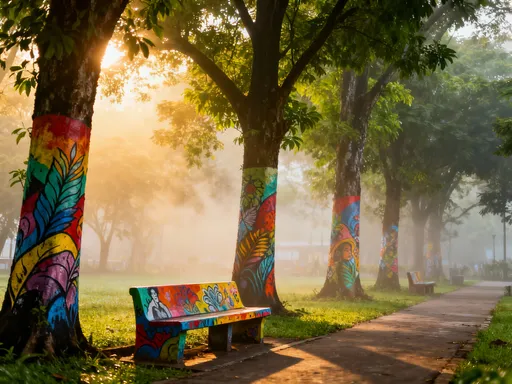
One notable area for urban art is near Academician Zhukov Street, where a series of large-scale murals depict local flora and fauna in vivid detail. A fox peers from between painted birch trunks; a falcon soars across a gradient sky. These works were created by regional artists during a city-sponsored festival, and they have since become beloved landmarks. Residents often stop to take photos or point them out to children, turning art viewing into a shared, intergenerational experience. The murals are especially striking in golden hour light, when shadows enhance their depth and color.
Along Kultura Avenue, sculptural installations add emotional resonance to public spaces. One piece, titled "Listening Tree," features a bronze ear embedded in the trunk of a real tree, symbolizing the importance of hearing nature’s quiet messages. Another, a flock of metal birds in flight, seems to rise from a grassy hillside, catching the wind in their wings. These works invite interaction—not through touch, but through contemplation. They encourage passersby to pause, reflect, and see the familiar in a new way.
What makes this blend of art and nature so powerful is its accessibility. Unlike galleries or museums, these works are free to view and located in everyday spaces—near bus stops, schools, and residential blocks. They democratize beauty, making it part of daily life. For visitors, they offer unexpected moments of delight, turning a simple walk into a journey of discovery. They also reflect a broader trend in urban design: the recognition that cities thrive not just on function, but on soul. In Yekaterinburg, that soul is expressed through art that listens to the wind, watches the seasons, and honors the land.
Why Niche Scenery Matters: Slowing Down to See the Real Yekaterinburg
In an age of fast travel and curated Instagram feeds, there is growing value in seeking out the overlooked, the quiet, the unassuming. Yekaterinburg, with its hidden courtyards, forested hills, and riverside paths, offers a compelling case for this kind of mindful exploration. Its true character isn’t found in guidebook checklists, but in the way sunlight filters through linden trees, or how a mural seems to breathe with the wind. These subtle experiences create deeper, more lasting memories than any photo op at a famous monument.
This shift toward low-impact, authentic tourism isn’t just a trend—it’s a return to what travel once was: a personal journey of discovery. It’s about moving at a human pace, engaging with places on their own terms, and respecting the lives that unfold there daily. In Yekaterinburg, this means listening to locals, treading lightly in shared spaces, and appreciating beauty in its most unpretentious forms. It means choosing a quiet park bench over a crowded attraction, or wandering a side street instead of following the crowd.
For 30- to 55-year-old women, many of whom balance family, work, and personal well-being, this kind of travel offers renewal. It’s not about ticking off sights, but about recharging the spirit. A morning walk by the river, an afternoon sketching a courtyard scene, a quiet moment watching ducks on a pond—these are the experiences that restore balance. They remind us that we don’t need to go far to feel wonder. Sometimes, all it takes is a change of pace and a willingness to look closely.
Moreover, by choosing to explore in this way, travelers contribute positively to the communities they visit. They support local cafes, respect cultural norms, and help preserve fragile environments. They become stewards, not just spectators. And in sharing their experiences—thoughtfully, without spoilers or overexposure—they inspire others to travel with care and curiosity. In this way, niche scenery becomes more than a destination; it becomes a philosophy of connection, presence, and respect.
Yekaterinburg’s true magic lies not in grand landmarks but in its quiet corners and natural whispers. By choosing to explore deeper, travelers gain more meaningful connections—with places, people, and themselves. This city teaches us that beauty often hides where few bother to look. So next time you pass through, slow down. Let the unexpected guide you.