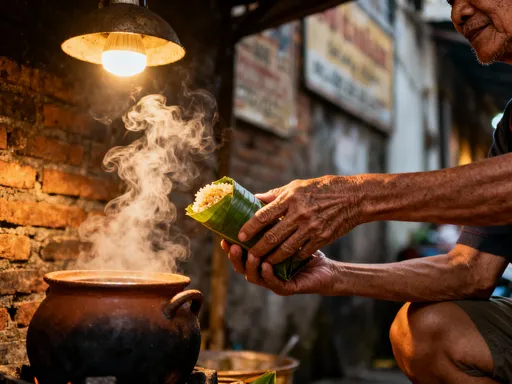
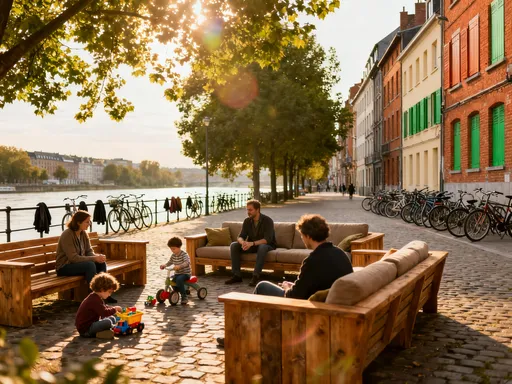
Taste of the City: A Local’s Take on Amsterdam’s Food Scene
Ever wondered what it’s really like to eat like a true Amsterdamer? Forget the tourist traps—this is about the warm stroopwafels fresh off the market griddle, the family-run eetcafés no guidebook mentions, and that hidden brown cafe where locals sip jenever after dark. I wandered canals and cobblestones not just to sightsee, but to taste the soul of the city—one bite at a time. This is a journey through Amsterdam’s culinary heart, where food is not just sustenance but a language of connection, history, and everyday joy. Here, every meal tells a story shaped by centuries of trade, resilience, and cultural openness.
The Heartbeat of Amsterdam: Food as Culture
Amsterdam’s food culture is a quiet symphony of history, geography, and human connection. Unlike flashier European capitals known for elaborate gastronomy, Amsterdam speaks in simpler tones—warm bread, rich cheese, and hearty stews simmered slowly over time. These are not merely meals; they are reflections of a city shaped by water, wind, and work. The Dutch have long lived close to the land and sea, and their cuisine mirrors this pragmatic relationship with nature. Root vegetables, salted fish, and dairy dominate traditional menus not because of lack of imagination, but because these ingredients sustained families through cold winters and rising tides.
Centuries of maritime trade expanded the palate. Spices from the East Indies—nutmeg, cloves, cinnamon—found their way into Dutch kitchens, transforming humble dishes into something subtly exotic. Today, that legacy lives on in meals like Indonesian-style rice tables and Surinamese curries, now considered everyday comfort food by many locals. This openness to global flavors is not trend-driven but deeply rooted in history. Amsterdam has always been a city of comers and goers, a hub where cultures meet and blend, and its food scene is one of the most authentic expressions of this identity.
What sets Amsterdam apart is how seamlessly it balances tradition with inclusivity. You won’t find rigid rules about authenticity or culinary purity. Instead, there’s a gentle respect for the familiar, paired with curiosity for the new. A grandmother might serve her famous stamppot on Sunday while happily ordering a rijsttafel on Friday night. This duality defines the modern Amsterdamer’s approach to food: honor the past, embrace the present. It’s a philosophy that makes the city’s dining experience both comforting and endlessly surprising.
Markets That Feed the Soul: Albert Cuyp and Beyond
If Amsterdam has a daily heartbeat, it pulses strongest in its markets. These are not staged performances for visitors but living, breathing parts of neighborhood life. The Albert Cuyp Market in De Pijp is perhaps the most famous, stretching over 250 meters along the bustling Albert Cuypstraat. Open six days a week, it draws locals from all walks of life—parents with strollers, elderly couples with reusable bags, students grabbing a quick bite before class. Here, food isn’t packaged or prettified; it’s piled high, sizzling fresh, and sold with a smile or a dry joke.
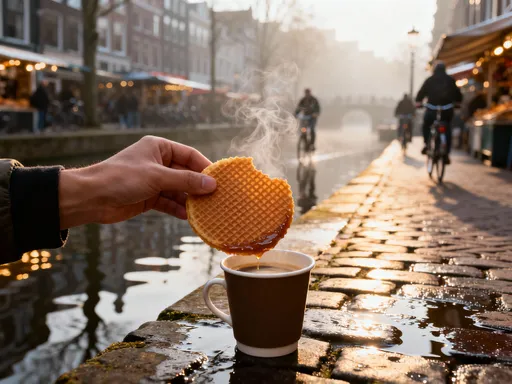
At one end, a vendor fries kibbeling—small pieces of battered white fish—dipping them in a paper cone with a side of remoulade sauce. The smell alone draws crowds. A few stalls down, an elderly cheesemonger slices aged Gouda with practiced precision, offering samples that melt slightly on the tongue, rich with caramel notes. Seasonal fruits like Dutch strawberries in June or brambozen (raspberries) in late summer are sold in wooden crates, often still dusted with morning dew. And then there are the stroopwafels—thin, warm waffles pressed with syrup, best eaten fresh, ideally with a coffee cup beneath to catch the steam that softens the center.
But the Albert Cuyp is just one thread in a larger tapestry. The Noordermarkt in the Jordaan, open on Saturdays, offers a more curated experience—organic produce, artisanal breads, and handmade cheeses from small Dutch farms. It moves at a slower pace, frequented by residents who value quality over convenience. Meanwhile, the Ten Katemarkt in Amsterdam-Oost provides a multicultural snapshot: Turkish gözleme sizzles beside Surinamese pom, and the scent of cumin and thyme mingles in the air. These markets aren’t just places to buy food—they are social spaces where neighbors greet each other by name and vendors remember your usual order.
For travelers, navigating these spaces offers a rare chance to step into daily life. The key is to observe first, then engage. Watch how locals point to what they want, how they accept change without fuss, how they might linger for a chat. Many stalls are cash-only, so carrying small bills is wise. And while English is widely spoken, a simple “Dank u” after a transaction earns a warmer response. These small gestures open doors—not just to better food, but to the quiet warmth of Amsterdam’s community spirit.
Stroopwafels, Bitterballen, and Herring: Must-Try Classics
To understand Amsterdam through food, one must begin with its iconic dishes—those that define Dutchness in the eyes of both locals and the world. The stroopwafel, with its delicate layers and molten center, is more than a snack; it’s a ritual. Best enjoyed warm, often placed over a hot drink to soften the syrup, it embodies comfort in its purest form. While pre-packaged versions line supermarket shelves, the real magic happens at market stalls where they’re pressed to order, the scent of caramelized sugar rising like a welcome sign.
Then there’s the bitterbal—a deep-fried sphere of creamy, savory beef ragout, typically served with mustard. Found in nearly every brown cafe, it’s the Dutch answer to comfort food. The ideal bitterbal has a crisp outer shell that cracks audibly when bitten, giving way to a molten, flavorful interior. Timing matters: they’re best eaten within minutes of frying. Locals often enjoy them with a beer, especially during football matches or on Friday evenings when the week’s fatigue begins to lift.
Perhaps the most iconic—and for some, intimidating—Dutch food experience is raw herring. Sold at fish stands with names like “Haringhandel” or “Hollandse Nieuwe,” it’s typically served on a paper plate with onions and pickles, or held by the tail and lowered into the mouth. Yes, it’s eaten whole, bones and all. The key is freshness: during herring season (roughly May to July), the fish is caught daily and iced immediately. The flavor is clean, briny, and surprisingly mild. For many Amsterdammers, this isn’t just a dish but a rite of passage, a taste of childhood summers and family outings. Trying it may feel daring, but doing so at a trusted stand—like those near the Nieuwmarkt or on the Utrechtsestraat—ensures safety and authenticity.
These classics endure not because they’re flashy, but because they’re tied to memory and place. They’re foods shared at festivals, bought on rainy afternoons, passed hand to hand at picnics. They represent a culture that values practicality, seasonality, and shared experience over spectacle. To eat them is to participate in a quiet tradition—one that doesn’t demand attention but rewards those who seek it out.
Eating Like a Local: Eetcafés and Brown Cafés
If markets are Amsterdam’s pulse, then its eetcafés and brown cafes are its hearth. These unassuming establishments, often tucked between narrow houses along quiet canals or busy side streets, form the backbone of local dining. Unlike fine-dining restaurants, they make no pretense of elegance. Their charm lies in warmth, consistency, and a sense of belonging. The lighting is soft, the music is low, and the service is friendly but never fussy. This is where Amsterdammers go after work, on Sunday afternoons, or when they simply crave something familiar.
The eetcafé—literally “eating café”—specializes in hearty, home-style meals. Menus often feature stamppot, a dish of mashed potatoes mixed with vegetables like kale, endive, or sauerkraut, served with a smoked sausage on the side. Another favorite is uiensoep, a rich onion soup topped with a thick slice of toasted cheese. These are not light meals; they are designed to satisfy, to warm from within. Many eetcafés are family-run, with recipes passed down through generations. The atmosphere is communal, often with shared tables and a bar where regulars chat with the owner.
Brown cafes—named for their traditionally dark wood interiors—serve both food and drinks but are first and foremost social spaces. They open early for coffee and croissants, transition into lunch with bitterballen and sandwiches, and stay open late for beer and conversation. Some specialize in regional dishes, like Limburgse vlaai (a fruit pie from southern Holland) or Fries rôst (a potato pancake from Friesland). Others offer daily specials written on chalkboards behind the bar. What unites them is a sense of continuity—a place where time moves slowly, and strangers are welcomed as potential friends.
For visitors, choosing an authentic eetcafé or brown cafe means looking beyond the city center. While spots near Dam Square or the Anne Frank House cater to tourists, the true gems lie in neighborhoods like De Pijp, Oud-West, or Amsterdam-Noord. These areas offer a more grounded experience, where menus are in Dutch (with English translations), prices are fair, and the crowd is mostly local. Dining here isn’t about performance; it’s about presence. It’s about savoring a meal without rushing, listening to the hum of conversation, and feeling, even briefly, like you belong.
Global Flavors, Dutch Roots: The Influence of Surinamese, Indonesian, and Middle Eastern Cuisine
Amsterdam’s culinary identity cannot be understood without acknowledging its multicultural soul. The city’s food scene is a living testament to its colonial history and post-war immigration, where global flavors have not just been adopted but woven into the fabric of daily life. Nowhere is this more evident than in the prominence of Surinamese and Indonesian cuisine—two of the most beloved food traditions in the city.
Due to the Netherlands’ historical ties with Indonesia, dishes like nasi goreng (fried rice), satay, and sambal have become household staples. Many Dutch families grew up eating rijsttafel—a lavish spread of small dishes that originated in the colonial era but has since been embraced as a national favorite. Today, Amsterdam boasts dozens of authentic Indonesian restaurants, particularly in areas like the East Canal Belt and Dapperbuurt. These are not niche eateries but integral parts of the dining landscape, frequented by locals for birthdays, family dinners, and weekend treats.
Similarly, Surinamese cuisine—born from African, Indian, Javanese, and Indigenous influences—has found a deep home in Amsterdam. Roti, a flatbread served with curried meat or vegetables, is a common lunch option. Pom, a casserole made with chicken, citrus, and grated taro, is often reserved for celebrations. Waripi, a traditional one-pot meal of fish, vegetables, and herbs, offers a taste of Surinamese home cooking that is both nourishing and deeply flavorful. These dishes are not exotic novelties but comfort foods, cherished for their richness and complexity.
The Middle Eastern influence is equally strong. Kebabs, shawarma, and falafel are not just fast food but cultural fixtures, often enjoyed late at night after a night out. But beyond the street stalls, there are family-run restaurants serving Lebanese mezze, Turkish pide, and Moroccan tagines with care and authenticity. These cuisines thrive not in isolation but in dialogue with Dutch tastes—shwarma shops might offer a “Dutch twist” with fries and salad, while falafel is often served in a soft white bun rather than pita.
This blending is not forced or commercialized; it’s organic, born of shared neighborhoods, interwoven lives, and mutual appreciation. It reflects a city that doesn’t just tolerate diversity but celebrates it at the table. For visitors, exploring these cuisines is not just a culinary adventure but a window into Amsterdam’s soul—one that values connection over conformity, flavor over formality.
Practical Tips for Food-Focused Travelers
To fully embrace Amsterdam’s food culture, a bit of preparation goes a long way. Timing is essential. Markets like Albert Cuyp are best visited in the morning or early afternoon when produce is freshest and crowds are manageable. Many food stalls close by 5 PM, so planning ahead ensures you don’t miss out. Similarly, seasonal availability plays a role: Dutch asparagus (known as “white gold”) is a spring delicacy, while herring is at its peak in early summer. Being aware of these rhythms allows for a more authentic experience.
Cash remains important, especially at markets and smaller eateries. While contactless payments are increasingly common, many vendors still operate on a cash-only basis. Carrying euros in small denominations makes transactions smoother and shows respect for local norms. Tipping is not mandatory but appreciated—rounding up the bill or leaving a small amount for table service is customary, though not expected in self-service settings.
Portion sizes in Dutch restaurants tend to be generous, particularly in eetcafés. Sharing dishes is not only acceptable but encouraged, allowing you to sample more flavors without waste. Don’t hesitate to ask for recommendations—many servers are proud of their menu and happy to guide you. Learning a few basic Dutch phrases, like “Alstublieft” (please) or “Smakelijk eten” (enjoy your meal), can also deepen interactions.
Finally, pace yourself. Amsterdam’s food culture is not about speed but savoring. Meals are meant to be lingered over, conversations extended, coffee refilled. Rushing through a bitterbal or gulping down a stroopwafel misses the point. The best experiences often come from slowing down—sitting at a market bench, watching the world go by, accepting an unexpected sample from a vendor who smiles and says, “Probeer eens”—try this. These moments, small as they seem, are where connection begins.
Beyond the Plate: Food as Connection
In Amsterdam, food is more than flavor—it’s a bridge. It connects people across generations, cultures, and languages. It turns strangers into neighbors, even if only for a meal. This spirit is evident in the way a cheese vendor hands you a sample with a nod, in the way a brown cafe owner remembers your drink, in the shared laughter over a too-hot bite of sambal. These are not transactions; they are gestures of trust and warmth.
For travelers, this means the most memorable moments may not come from famous landmarks but from quiet exchanges over food. It might be joining a communal table in De Pijp, where a local recommends the best place for pom. Or accepting a slice of apple pie from an elderly woman at Noordermarkt who insists, “You must try this.” These experiences don’t fit neatly into guidebooks, but they define what it means to truly taste Amsterdam.
Food also slows travel down. In a world of checklists and photo ops, sitting down to a proper meal forces presence. It asks you to listen, to observe, to be open. And in that openness, cities transform. Amsterdam ceases to be just a destination and becomes, for a moment, a home. The real flavor of the city isn’t just in its stroopwafels or bitterballen, but in the way it welcomes you—not as a guest, but as someone who belongs, even briefly, to its daily rhythm.
So come hungry, but come with more than appetite. Come with curiosity. Come ready to connect. Because in Amsterdam, every meal is an invitation—not just to eat, but to belong.