Lost in Green: Wandering Gothenburg’s Wild Side
You know that feeling when you escape the city and suddenly everything breathes easier? That’s Gothenburg for you—where forests hug the streets, islands whisper secrets, and wandering isn’t just walking, it’s wandering with purpose. I never expected Sweden’s second city to be this wild. With over 40% green space, every turn feels like nature’s invitation. This is not just urban escape—it’s a whole different rhythm. Gothenburg doesn’t separate people from nature; it weaves them together, thread by thread, path by path. Whether you're strolling through ancient woodlands, cycling across sun-dappled bridges, or drifting between pine-covered islands, the city invites you to slow down and simply be. Here, nature isn’t an afterthought—it’s the heartbeat.
The Soul of a City That Breathes Nature
Gothenburg is not a city that merely has parks. It is a city that grows from them. From the moment you step off the train or glide into town by tram, the presence of green is undeniable. Trees rise like pillars along wide boulevards, their canopies arching overhead in summer, forming a living vault above the pavement. This is no accident of urban design—it is a legacy of thoughtful planning and a deep cultural reverence for the natural world. Over 40% of Gothenburg’s land area is dedicated to parks, forests, and waterways, making it one of the greenest cities in Europe. The urban fabric is intentionally porous, allowing nature to seep into neighborhoods, schools, and even shopping districts.
The city’s relationship with nature dates back centuries. Founded in the 17th century as a fortified port, Gothenburg was built with wide streets and open spaces, partly for defense but also to allow light and air to flow freely. Over time, this openness evolved into a philosophy. Parks were not just for leisure but for health, community, and resilience. Today, the city’s green infrastructure serves as a climate adaptation tool—absorbing rainwater, reducing heat islands, and supporting biodiversity. But beyond utility, it fosters a way of life. Children walk to school through leafy avenues. Office workers take lunch breaks under birch trees. Cyclists weave through meadows on their way to meetings. Nature isn’t a destination; it’s part of the daily journey.
Integral to this relationship is *allemansrätten*, the Swedish “right to roam.” This unwritten but legally protected custom allows anyone to walk, cycle, or rest in nature, as long as they do so responsibly. In Gothenburg, this means you can step off a busy sidewalk and into a forest trail without permission, without fences, without hesitation. It reflects a culture of trust—between people and nature, and between people themselves. Locals don’t see the woods as something to be guarded but as a shared gift. This ethos shapes how residents interact with their environment: with respect, familiarity, and a quiet sense of belonging.
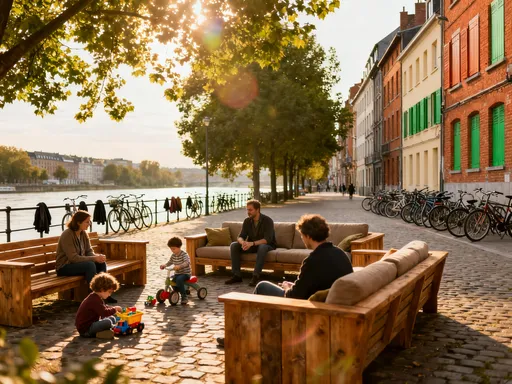
On a weekday morning, you might see commuters cycling past blooming meadows, their panniers filled with groceries or work bags. In Haga, one of the city’s oldest districts, cobblestone streets are lined with wooden houses and climbing ivy, while just beyond, the dense canopy of Slottsskogen beckons. There’s a rhythm here, a balance between urban efficiency and natural ease. The city doesn’t demand speed; it allows slowness. And in that space, something essential is preserved—the ability to breathe, to notice, to wander without urgency.
Slottsskogen: Where City Meets Wild
At the heart of Gothenburg lies Slottsskogen, a 137-hectare park that functions as the city’s green living room. Opened in 1874, it was designed as a public space for recreation and respite, and over 150 years later, it remains exactly that. But Slottsskogen is more than a manicured garden—it is a semi-wild forest, a place where deer roam freely, wildflowers bloom in meadows, and ancient oaks stretch toward the sky. It is where families gather for picnics, joggers trace winding paths, and tourists pause in quiet awe beneath towering pines.
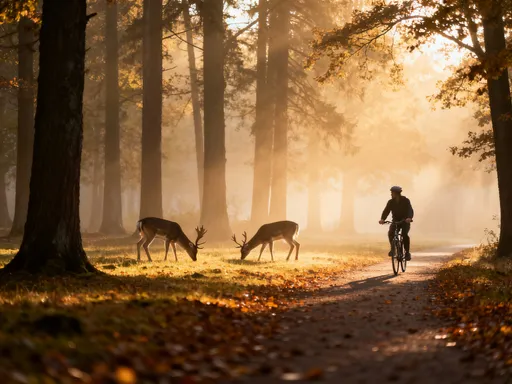
One of the park’s most beloved features is its deer enclosure, home to native species like roe deer and fallow deer. Children press their faces against the wooden fences, giggling as the animals graze just steps away. The enclosure is not a zoo but a gentle introduction to wildness, a way for city dwellers to connect with local wildlife without leaving the urban core. Beyond it, open fields burst with color in summer—purple clover, yellow buttercups, and delicate daisies swaying in the breeze. These meadows are not just decorative; they are carefully managed to support pollinators and native plant species, part of Gothenburg’s broader ecological strategy.
Slottsskogen also serves as a cultural hub. In summer, free concerts draw crowds to its open-air stage, where music drifts through the trees and listeners sit on blankets with wine and sandwiches. On weekends, food markets pop up near the main entrance, offering everything from organic bread to handmade goat cheese. Yet even during events, the park retains its peaceful character. Benches are tucked beneath trees, inviting quiet conversation or solitary reading. Elderly couples sit side by side, hands clasped, watching ducks paddle across a small lake. Dogs sprint across open glades, tails wagging, while their owners call after them with affectionate exasperation.
What makes Slottsskogen truly special is its accessibility. No entrance fee, no gates, no opening hours. It belongs to everyone. Whether you come to exercise, relax, or simply pass through on your way to another neighborhood, the park offers a moment of recalibration. It reminds you that nature is not something distant or fragile—it is resilient, present, and woven into the fabric of everyday life. In a world that often feels hurried and artificial, Slottsskogen stands as a quiet testament to the power of green space to restore balance.
Archipelago Dreams: Island Hopping Without the Hustle
Just a short ferry ride from Gothenburg’s harbor lies a world apart—the city’s archipelago, a scattered chain of over 20 islands stretching into the Kattegat Sea. Unlike tropical island getaways that require long flights and luxury resorts, Gothenburg’s islands are refreshingly simple. They are reachable by public ferry, often in under 30 minutes, and most have no cars, no traffic lights, and no crowds. This is island life stripped down to its essentials: rocky shores, pine forests, salt-kissed air, and the slow rhythm of waves.
Vrångö and Styrsö are two of the most accessible and beloved islands. Styrsö, served by frequent ferries from the city center, is a favorite for families and cyclists. Narrow paths wind through dense pine woods, leading to secluded coves where children splash in shallow water and parents read novels on sun-warmed rocks. There’s a small grocery store, a café serving cinnamon buns and strong coffee, and a handful of summer cottages painted in classic Swedish red and white. Yet even on sunny weekends, the island never feels crowded. The pace is gentle, the mood unhurried.
Vrångö, slightly more remote, offers an even deeper sense of solitude. The ferry stops less frequently, and the island’s population swells only in summer. Here, trails follow the coastline, offering panoramic views of the sea and distant sailboats. Birdwatchers might spot oystercatchers or common terns, while hikers pause to admire lichen-covered boulders and wind-sculpted pines. There’s a community-run restaurant that opens on weekends, serving fresh mussels and locally caught fish. But many visitors come simply to walk, to breathe, to disconnect.
The beauty of the archipelago lies not in grand attractions but in its simplicity. You don’t need a guidebook or a detailed itinerary. A bike, a packed lunch, and a sense of curiosity are enough. The islands encourage a different kind of travel—one defined by presence rather than productivity. Time stretches. Conversations slow. The constant hum of the city fades into memory. And in that stillness, something shifts. You begin to notice small things: the pattern of ripples on the water, the scent of pine resin in the sun, the way light filters through the trees. This is not escape, exactly—it’s return. A return to a quieter, more grounded way of being.
River Trails and Hidden Forests Along the Göta Älv
The Göta Älv River is Gothenburg’s liquid spine, flowing from Lake Vänern to the North Sea, cutting through the city with quiet authority. Along its banks, a network of walking and cycling paths offers some of the most underrated natural experiences in the region. From the historic district of Haga to the industrial echoes near Älvsborg Bridge, the river corridor is a mosaic of contrasts—nature reclaiming old shipyards, herons stalking fish in quiet inlets, and cyclists gliding past blooming willows.
In the early morning, mist rises from the water, softening the outlines of bridges and warehouses. The air is cool and damp, carrying the faint scent of algae and wet stone. This is when the river feels most alive—not in spectacle, but in subtlety. A kingfisher darts across the surface. A swan glides past with cygnets in tow. Along the eastern bank, patches of forest emerge unexpectedly, their understory thick with ferns and moss. These are not formal parks but wild, self-seeded woodlands, accessible via narrow trails that feel like secrets.
One such hidden gem is the stretch between Eriksberg and Lindholmen, where former industrial zones have been transformed into green promenades. Old cranes stand as silent monuments, now framed by blooming shrubs and native grasses. Benches are placed at intervals, inviting pause and reflection. Further north, near Torslanda, the riverbanks give way to reed beds and marshlands, home to frogs, dragonflies, and migratory birds. These areas are not manicured, and that is their strength. They feel raw, authentic, untouched by the impulse to control or perfect.
Walking or cycling along the Göta Älv is a lesson in urban ecology. It shows how nature and industry can coexist, not in conflict but in conversation. The river does not erase the city’s history; it absorbs it, softens it, makes it part of a larger story. And for the wanderer, it offers a continuous thread—a path that connects neighborhoods, moods, and moments. Whether you walk for ten minutes or two hours, the river provides a sense of flow, both literal and metaphorical. It reminds you that movement, like water, can be gentle, persistent, and deeply renewing.
Botanical Gardens and Secret Groves
If Slottsskogen is Gothenburg’s wild heart, the Gothenburg Botanical Garden is its cultivated soul. Spanning over 150 hectares, it is one of the largest botanical gardens in Europe, home to more than 16,000 plant species. But this is not a place of rigid order. The garden is designed to feel organic, with winding paths, naturalistic plantings, and open meadows that blend seamlessly into surrounding woodlands. In spring, cherry blossoms create clouds of pink above the grass. In autumn, the maples and oaks ignite in shades of gold and crimson. Every season writes its own chapter here.
The garden is both a scientific resource and a sanctuary. Researchers study plant biodiversity, while visitors come to walk, meditate, or simply escape the noise of daily life. Glasshouses house exotic species—orchids from Southeast Asia, cacti from the American Southwest—but the outdoor collections are equally impressive. The rock garden, with its alpine flowers and miniature waterfalls, feels like a journey to the mountains. The rhododendron valley bursts into color in late spring, drawing photographers and flower lovers from across the region.
Yet beyond the botanical garden’s formal boundaries lie lesser-known green spaces that offer solitude and discovery. Ramberget, a forested hill in the eastern part of the city, is one such place. Trails climb through birch and pine, opening onto viewpoints that overlook the city and sea. In autumn, the forest floor is carpeted with mushrooms; in winter, it’s dusted with snow, silent and still. Backa, another neighborhood with hidden groves, features small clearings where urban hikers rest on mossy logs, listening to the wind. These spots are not on most tourist maps, but they are cherished by locals who value quiet over spectacle.
What unites these spaces—the grand garden and the hidden groves—is their role as refuges. In a world of constant stimulation, they offer stillness. They allow you to slow your breath, to notice the texture of bark, the sound of a distant bird. They remind you that beauty does not require fanfare. Sometimes, the most profound experiences come from simply standing under a tree, feeling the sun through the leaves, and being present.
Why Wandering Matters: The Quiet Power of Aimless Walks
In Gothenburg, walking is not just transportation—it is a form of wellness. The Swedish concept of *friluftsliv*, which translates to “open-air living,” captures this ethos. It is not about extreme adventures or athletic achievement but about the simple, regular practice of being outdoors. It is walking through the woods after work, sitting by a lake with a thermos of tea, or lying in the grass to watch clouds drift by. This cultural habit is deeply tied to mental and physical health, supported by research showing that time in nature reduces stress, lowers blood pressure, and improves mood.
But there is something deeper at play—the value of aimlessness. In a society that often measures worth by productivity, the act of wandering without destination feels radical. Yet it is in these unstructured moments that creativity sparks, emotions settle, and insights emerge. When you walk without a goal, your mind is free to wander too. You notice things you’d otherwise miss—a patch of wild strawberries, a bird’s nest in a low branch, the way sunlight hits a puddle. These small observations ground you in the present, pulling you out of rumination and into the world.
Gothenburg’s green spaces make this kind of wandering accessible to everyone. You don’t need special gear, a vacation, or a lot of time. A 20-minute walk through Slottsskogen can reset your entire day. A weekend ferry to Vrångö can restore a sense of balance. The city’s design ensures that nature is never far, never reserved for the privileged few. It is part of the common good, a shared resource that nurtures body and soul.
And in that accessibility lies a quiet wisdom. The city understands that well-being is not just about healthcare or fitness routines—it’s about daily contact with the natural world. It’s about having places where you can pause, breathe, and remember that you are part of something larger. In a time of growing urbanization and digital saturation, Gothenburg offers a model: a city that doesn’t just tolerate nature but embraces it as essential to human flourishing.
How to Wander Like a Local: Practical Tips for Immersive Exploration
To truly experience Gothenburg’s wild side, you don’t need a detailed plan—just a willingness to be present. Start by leaving the city center behind. Take a tram to Haga, then follow the signs to Slottsskogen. Or head to the harbor and board a public ferry to Styrsö or Vrångö. Biking is one of the most rewarding ways to explore—rent a city bike or bring your own, and let the paths guide you. Public transport is reliable, frequent, and eco-friendly, making car-free travel not just possible but pleasant.
Timing matters. Early mornings offer stillness and soft light, perfect for photography or quiet reflection. The golden hour before sunset casts a warm glow over the archipelago, turning pine trees into silhouettes against the water. Weekdays are less crowded, but even on weekends, the city’s green spaces are spacious enough to find solitude if you’re willing to wander a little further.
Pack light but thoughtfully. A reusable water bottle, a rain jacket (Swedish weather changes quickly), and a thermos of coffee or tea can make a big difference. Bring a small snack—Swedes often carry *fika* treats like biscuits or fruit. And don’t forget curiosity. Some of the best moments happen when you take a trail that looks interesting, follow a bird’s call, or sit on a bench just to watch the world go by.
While maps are helpful, don’t be afraid to get slightly lost. Some of Gothenburg’s most beautiful spots—like a hidden cove on Donsö or a sunlit glade in Ramberget—are found by instinct, not GPS. Let the city surprise you. Talk to locals if you can; many are happy to share their favorite walking paths or quiet picnic spots. And remember, the goal isn’t to see everything. It’s to feel the rhythm of the place, to let the green spaces work their quiet magic, one step at a time.
The City That Grows With You
Gothenburg is not a city you simply visit. It’s one you grow into. Its green spaces are not static displays but living, breathing parts of daily life. They change with the seasons, respond to the weather, and evolve with the people who use them. To wander here is to participate in that growth—to let the forests, rivers, and islands shape your pace, your thoughts, your sense of well-being.
In a world that often feels fragmented and fast, Gothenburg offers continuity and calm. It shows that urban life doesn’t have to mean disconnection. That nature doesn’t have to be preserved behind glass. That the wild and the civilized can coexist, not in tension but in harmony. The city doesn’t demand grand gestures—just small, repeated acts of presence. A walk in the park. A ferry ride to an island. A moment under a tree.
So come with no agenda. Let the paths lead you. Let the wind in the pines quiet your mind. Let the city’s green soul reveal itself, not in monuments or museums, but in the quiet spaces between—where life slows down, breath deepens, and you remember what it feels like to simply be.