Taste the Wild: How Fiji’s Nature Fuels Nadi’s Best Flavors
Imagine biting into a coconut picked fresh from a palm swaying in the ocean breeze—this is Nadi, where food doesn’t come from supermarkets, but from the heart of nature itself. Volcanic soil, tropical rain, and generations of tradition grow flavors you can’t find anywhere else. Here, meals begin not in refrigerated trucks, but under the sun and rain, in rich earth tended by hands that know the rhythm of the seasons. I’ll take you through the real taste of Fiji, where every meal tells a story written by the land and sea—a story of balance, respect, and deep connection. This is not just cuisine; it is a living expression of an island’s soul.
Arrival in Nadi: First Bites and Natural First Impressions
Stepping off the plane in Nadi, the warm, humid air wraps around you like a familiar embrace. It carries with it a symphony of natural aromas—grilled fish sizzling over open flames, the sweet tang of overripe mangoes, and the damp, fertile scent of earth after a morning shower. These are not incidental smells; they are the first chapter in a culinary journey shaped by climate, geography, and tradition. Unlike cities where food is sanitized, packaged, and shipped across continents, Nadi’s cuisine is immediate, visceral, and deeply rooted in its environment.
The island’s tropical climate—defined by consistent warmth, high humidity, and regular rainfall—creates ideal conditions for year-round agriculture. There are no long winters to endure, no frozen supply chains. Instead, the land yields fruit and vegetables in a continuous cycle, nourished by volcanic soil rich in minerals. This natural abundance is evident the moment you leave the airport. Along the roadside, small wooden stands overflow with produce: golden pineapples, spiky dragon fruit, and clusters of bananas still attached to their stems. These are not imported luxuries—they are the daily staples of Fijian life.
One of the first tastes many visitors encounter is fresh coconut water, cracked open with a machete and handed over with a smile. It is cool, slightly sweet, and impossibly refreshing—a direct gift from the palm tree. This immediacy defines the Fijian food experience. Meals are not separated from their sources by layers of processing or distribution. A fish caught in the morning is grilled by noon. Breadfruit harvested from a backyard tree is boiled or fried within hours. Even the humble papaya, often eaten for breakfast, is picked ripe from the branch just steps from the kitchen. In Nadi, the journey from soil to plate is measured in minutes, not miles.
This closeness to food sources shapes not only what people eat but how they think about nourishment. There is a deep cultural understanding that flavor begins long before cooking—with the quality of the soil, the purity of the water, and the care taken in cultivation. This awareness is passed down through generations, forming a culinary philosophy that values freshness, simplicity, and sustainability. For the traveler, this means every bite tells a story—not of industrial efficiency, but of natural harmony.
The Garden of the Gods: Where Flavor Takes Root
Just beyond the town of Nadi, the landscape opens into a lush mosaic of small-scale farms and family-run tropical gardens. These are not vast monoculture plantations, but diverse plots where taro, cassava, yams, and plantains grow side by side, their leaves shimmering under the tropical sun. The soil here is dark and fertile, formed over millennia by volcanic activity that enriched the earth with essential minerals. This volcanic foundation is one of the hidden secrets behind Fiji’s exceptional produce—crops grown here are denser in nutrients and more vibrant in flavor than those raised in depleted, chemically treated soils.
Visiting one of these family-run farms offers a window into a way of life that prioritizes balance over yield. There are no tractors rumbling across the fields, no synthetic fertilizers or pesticides. Instead, farmers use traditional methods—crop rotation, composting, and intercropping—that work with nature rather than against it. Taro, a staple in Fijian cuisine, is often grown in wetland patches, its broad leaves filtering sunlight as it slowly matures. Cassava, known for its resilience, thrives in drier areas, its roots buried deep, absorbing the earth’s natural minerals. These crops are not rushed to harvest; they are allowed to grow at their own pace, developing complex flavors and textures that mass-produced versions simply cannot replicate.
What stands out most is the absence of industrial agriculture. There are no vast fields of genetically modified crops, no chemical sprays that strip the soil of life. Instead, farming is done on a human scale, with families tending to plots that feed their households and local communities. This approach not only preserves the integrity of the land but also ensures that food remains a communal resource rather than a commodified product. The result is produce that tastes profoundly alive—earthy, sweet, and deeply satisfying in a way that processed or long-transported foods can never match.
Children often help in the fields, learning early how to identify ripe yams or spot pests without resorting to chemicals. Elders pass down knowledge about planting cycles, moon phases, and natural remedies for plant diseases. This intergenerational wisdom is a cornerstone of Fijian agriculture, ensuring that sustainability is not a trend but a tradition. When you eat a piece of roasted taro in Nadi, you are not just consuming a root vegetable—you are tasting centuries of accumulated knowledge, a way of life that honors the land as a giver of life.
Ocean to Table: The Power of Pristine Waters
If the land feeds the body, the sea feeds the soul of Fijian cuisine. The waters surrounding Nadi are part of a vast coral reef system, one of the most biodiverse in the Pacific. These clear, warm lagoons teem with life—reef fish dart among the coral, octopus hide in rocky crevices, and crayfish scuttle along the seabed. For generations, coastal communities have relied on these waters for sustenance, developing fishing practices that are as sustainable as they are effective.
At dawn, small wooden boats glide across the glassy surface of the sea, their outlines silhouetted against the rising sun. Fishermen use hand lines, spears, and traditional nets—methods that target specific species without damaging the reef or catching unintended marine life. There is no industrial trawling, no overfishing. Instead, there is a deep respect for the ocean’s limits. Many communities follow customary fishing rules, such as closing certain areas during breeding seasons or avoiding the capture of juvenile fish. These practices, rooted in ancestral knowledge, ensure that the sea continues to provide for future generations.
By mid-morning, the catch arrives at local markets or family homes—glistening parrotfish, silvery trevally, and plump octopus still curling its tentacles. These are not frozen imports; they are the day’s harvest, destined for the table within hours. One of the most cherished ways to prepare seafood is in the lovo, a traditional earth oven where food is wrapped in banana leaves and slow-cooked over heated stones. The natural flavors of the fish are enhanced by the smoky aroma of the fire and the subtle sweetness of the leaves, creating a dish that is both simple and profound.
The purity of the water plays a crucial role in the taste of the seafood. Unlike fish from polluted or overfished regions, Fijian reef fish have a clean, delicate flavor—free from the metallic or muddy notes that can come from contaminated environments. This natural quality is not accidental; it is the result of careful stewardship. Coral reefs are protected, mangrove forests are preserved, and plastic waste is minimized through community-led initiatives. The ocean here is not just a resource—it is a relative, treated with reverence and care.
Lovo Nights: Earth, Fire, and Shared Feasts
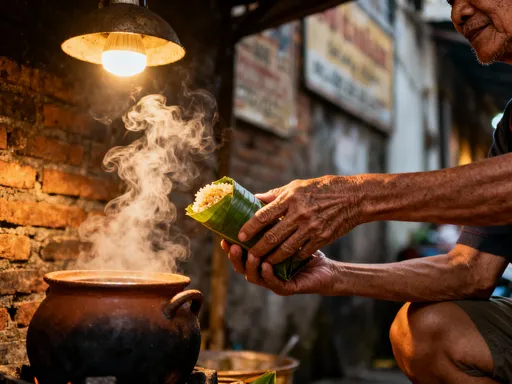
As the sun dips below the horizon, a different kind of energy begins to rise in Fijian villages—warm, communal, and deeply rooted in tradition. This is the time of the lovo, the earth oven that transforms raw ingredients into a feast of rich, smoky flavors. The preparation is a ritual in itself. Stones are heated in a fire until they glow red, then arranged in a pit. Food—taro, fish, chicken, and vegetables—is wrapped in banana leaves, which infuse the dishes with a subtle, herbal aroma. The parcels are placed on the stones, covered with more leaves, and then buried under soil to cook slowly for several hours.
Attending a lovo feast is more than a meal—it is an experience of connection. Families gather, children play nearby, and elders share stories as the scent of cooking food rises into the evening air. There is no rush, no background music, no distractions. The focus is on presence, on sharing, on the simple joy of eating food prepared with care and intention. When the earth is finally lifted and the banana leaves unwrapped, the result is a spread of tender, flavorful dishes that seem to carry the warmth of the fire and the spirit of the community.
The lovo is a perfect metaphor for Fijian cuisine: it is slow, respectful, and deeply connected to the natural world. Cooking with the earth, rather than against it, allows flavors to develop fully. The banana leaves, sourced from nearby trees, add moisture and fragrance. The hot stones, heated by wood from fallen trees, provide even, radiant heat. There are no ovens, no stoves, no electricity—just the elements, working together in harmony. This method not only preserves nutrients but also deepens the taste, creating dishes that are rich without being heavy, smoky without being overpowering.
For visitors, participating in a lovo feast is often a transformative moment. It challenges the modern notion of food as convenience. Here, time is not wasted—it is honored. The hours of preparation are not seen as labor but as love. The shared meal is not just about eating; it is about belonging. In a world that often feels fragmented, the lovo offers a reminder of what it means to gather, to break bread (or taro) together, and to celebrate the gifts of the land and sea.
Market Mornings: A Feast for the Senses in Nadi Town
Every morning, the Nadi Municipal Market comes alive with color, sound, and scent. Stalls overflow with pyramids of tropical fruit—bright red rambutans, spiky purple starfruit, and clusters of golden bananas. Baskets of root vegetables sit beside mounds of fresh ginger and turmeric, their earthy aromas mingling with the salty tang of dried fish. Coconuts are stacked in tall piles, some cracked open to reveal their sweet water, others shaved into fluffy white heaps for cooking. The air hums with conversation, laughter, and the rhythmic chopping of knives on wooden boards.
This market is more than a place to buy food—it is the heartbeat of Nadi’s food system. Most vendors are women, often from farming families, who bring produce from their own gardens or nearby villages. They are not anonymous sellers but familiar faces, known for the quality of their taro or the ripeness of their mangoes. Transactions are not rushed; they are accompanied by smiles, questions about family, and advice on how to prepare a particular vegetable. This personal connection reinforces a food culture built on trust, seasonality, and community.
The offerings change with the seasons, reflecting the natural cycles of growth and harvest. In the wet season, there is an abundance of leafy greens and root crops. In the drier months, fruit takes center stage—papaya, pineapple, and watermelon piled high under shaded canopies. Even the seafood available shifts with the tides and breeding patterns, ensuring that what is sold is always fresh and sustainable. There are no artificial preservatives, no imported off-season produce—what you see is what the land and sea have provided that week.
Shopping here is a sensory education. You learn to judge ripeness by touch, to recognize the difference between wild and farmed fish, to appreciate the subtle variations in coconut milk based on the age of the nut. Vendors are happy to share recipes, demonstrating how to peel breadfruit or cook cassava leaves in coconut cream. This exchange of knowledge keeps culinary traditions alive, ensuring that younger generations continue to value real, unprocessed food. For the visitor, the market is not just a place to eat—it is a place to learn, to connect, and to experience the true flavor of Fijian life.
From Plantation to Plate: Sugar, Coconut, and Legacy
No discussion of Fijian cuisine is complete without acknowledging two of its most iconic ingredients: coconut and sugarcane. Both have shaped the island’s economy and culture, though in very different ways. Sugarcane, introduced in the 19th century, became the backbone of Fiji’s colonial plantation system, a history marked by indentured labor and economic dependence. Today, while sugar remains an export crop, its role in local diets has evolved. It is used in moderation—sweetening tea, flavoring desserts, or preserved in traditional treats like kuih, a steamed cake made with coconut and palm sugar.
Coconut, on the other hand, is a gift that gives endlessly. Every part of the tree is used. The water is drunk fresh, a natural electrolyte-rich beverage. The flesh is grated and pressed to make thick, creamy coconut milk, a base for curries, stews, and desserts. The oil is extracted by hand and used for cooking, skincare, and even traditional medicine. Even the husks and shells are repurposed—as fuel, crafts, or garden mulch. This zero-waste approach reflects a deep respect for nature’s generosity.
In homes across Nadi, coconut is not a luxury but a daily staple. It thickens soups, enriches breads, and transforms simple vegetables into satisfying meals. A dish of taro leaves simmered in coconut cream is a common dinner, its richness balanced by a squeeze of lime. Fresh coconut is also a favorite snack, cracked open and eaten with a spoon, its jelly-like center a treat for children and adults alike. Unlike processed coconut products found in supermarkets, the real thing has a depth of flavor—nutty, sweet, and slightly floral—that elevates every dish it touches.
Both sugar and coconut are tied to the island’s environment. Sugarcane thrives in Fiji’s tropical heat and abundant rainfall, while coconut palms flourish along the coast, their roots anchored in sandy soil. These ingredients are not imported or genetically engineered—they grow naturally, sustained by the same elements that nourish the people. Their legacy is complex, but their presence on the table today speaks to resilience, adaptation, and a commitment to using what the land provides.
Why This Food Journey Matters: Flavor with Integrity
In a world dominated by fast food, processed ingredients, and global supply chains, Nadi offers a rare alternative—a food culture that remains deeply connected to its origins. Eating here is not just about taste; it is about rhythm, season, and respect. Every meal reflects a relationship with the land and sea, a recognition that food is not a commodity but a gift. This is cuisine with integrity, where flavor is not enhanced by chemicals but deepened by time, tradition, and care.
The natural wonders of Fiji are not just scenic backdrops for vacation photos—they are active ingredients in every dish. The volcanic soil enriches the roots, the tropical rain sweetens the fruit, and the clean ocean gives seafood its delicate purity. Even the cooking methods—like the lovo—honor the elements, using earth, fire, and leaves to bring out the best in each ingredient. This is not primitive cooking; it is intelligent, sustainable, and profoundly satisfying.
For the modern traveler, especially those seeking authenticity and well-being, this food journey offers more than nourishment. It offers a reset—a chance to slow down, to taste food as it was meant to be, and to reconnect with the sources of life. It reminds us that eating can be an act of gratitude, a celebration of nature’s abundance, and a way to strengthen community. In Nadi, you don’t just eat—you participate in a living tradition.
So come not just to see Fiji, but to taste it. Let the sweetness of a sun-ripened mango melt on your tongue. Feel the warmth of a banana leaf unwrapping from a lovo-baked fish. Drink coconut water straight from the shell, cooled by the ocean breeze. These are not just flavors—they are stories of resilience, harmony, and deep belonging. And in a world that often feels disconnected, they offer something rare: a meal that feeds not just the body, but the soul.