Why Your Workout Routine Is the Secret to Healthier Hair
You’ve probably never linked sweating at the gym to shinier, stronger hair—but science says they’re connected. I didn’t either, until I noticed real changes after sticking to a consistent exercise plan. It turns out, blood flow, hormone balance, and stress levels—all influenced by movement—play a major role in hair health. This isn’t about magic fixes, but a systematic approach that combines fitness and self-care for lasting results. Let’s break down how movement fuels your scalp.
The Hair-Fitness Connection: More Than Skin Deep
At first glance, hair health and physical activity may seem unrelated. After all, hair grows from follicles embedded in the scalp, while workouts target muscles, heart, and lungs. Yet, the body functions as an integrated system, where one change can ripple across multiple areas. Scientific evidence increasingly supports the idea that regular exercise contributes to improved hair condition—not directly, but through foundational physiological processes. The connection lies not in the sweat on your forehead, but in what happens beneath the surface: enhanced circulation, balanced hormones, and reduced inflammation.
Blood circulation is essential for delivering oxygen and nutrients to every cell, including hair follicles. These tiny structures require a steady supply of vitamins, minerals, and amino acids to produce strong, healthy strands. When circulation improves, so does the efficiency of this delivery system. Exercise stimulates the cardiovascular system, encouraging blood vessels to dilate and blood to flow more freely. Over time, this can create a more nourishing environment for hair growth. While no study claims that running a 5K will instantly thicken your hair, the cumulative effect of better circulation supports overall tissue health—including the scalp.
Another common misconception is that intense workouts cause hair loss. Some women report increased shedding after starting a new fitness regimen, leading to concerns. However, this is often due to temporary stress on the body, not exercise itself. Sudden changes in routine, especially when paired with dietary shifts or sleep disruption, can trigger a condition called telogen effluvium, where more hairs than usual enter the resting phase and fall out. This type of shedding is typically short-term and resolves as the body adjusts. In contrast, consistent, moderate exercise has been shown to reduce systemic stress and support hormonal equilibrium—both of which protect against chronic hair thinning.
It’s also important to note that the relationship between fitness and hair is not about extreme regimens. You don’t need to train like an athlete or spend hours in the gym. The benefits come from regular, sustainable movement that keeps the body functioning optimally. The scientific consensus emphasizes balance: excessive exercise without adequate recovery can increase oxidative stress and cortisol levels, potentially harming hair. But when done mindfully, physical activity becomes a pillar of holistic health—one that includes vibrant, resilient hair.
Why Scalp Health Starts with Blood Flow
The scalp, like any other tissue, depends on a robust network of blood vessels to maintain its function. Hair follicles are metabolically active, meaning they require constant energy and nutrient input to sustain growth cycles. When blood flow to the scalp is compromised—due to poor posture, tight hairstyles, or sedentary habits—follicles may become undernourished, leading to weaker strands and slower growth. This is where cardiovascular exercise plays a crucial role. Activities that elevate the heart rate, such as brisk walking, cycling, or swimming, enhance microcirculation throughout the body, including the scalp.
Microcirculation refers to the flow of blood through the smallest vessels, such as capillaries. These tiny pathways are responsible for delivering oxygen and removing waste products at the cellular level. Improved microcirculation means follicles receive more of what they need and are cleared of metabolic byproducts more efficiently. Over time, this can lead to a healthier scalp environment, reducing dryness, flakiness, and inflammation—common contributors to hair concerns. While topical treatments can address surface issues, exercise works from within, supporting the biological foundation of hair growth.
Studies have demonstrated that even moderate aerobic activity increases cerebral blood flow, which includes the scalp region. For example, a 30-minute walk five times a week has been associated with measurable improvements in circulation. This doesn’t mean you need high-intensity interval training to see benefits. In fact, low-impact activities like yoga or tai chi, which emphasize deep breathing and relaxation, also promote vascular health. The key is consistency. Regular movement trains the cardiovascular system to function more efficiently, ensuring that nutrient-rich blood reaches all areas of the body—including those often overlooked, like the scalp.
It’s worth noting that visible changes take time. Unlike a new shampoo that promises instant shine, improved circulation works subtly and cumulatively. Most women begin to notice differences after several weeks of consistent activity. These may include less shedding during brushing, increased shine, or the appearance of fine new growth along the hairline. These signs reflect improved follicle health, even if they’re not immediately dramatic. By viewing exercise as a long-term investment in scalp vitality, women can shift their perspective from quick fixes to sustainable wellness.
Stress, Hormones, and Hair: How Exercise Balances the System
One of the most powerful ways exercise supports hair health is through its effect on stress and hormones. Chronic stress is a well-documented contributor to hair thinning and shedding. When the body perceives stress—whether emotional, physical, or environmental—it releases cortisol, often referred to as the “stress hormone.” Elevated cortisol levels over time can disrupt the hair growth cycle, pushing more follicles into the resting phase and delaying the start of new growth. This can result in noticeable thinning, especially in women over 30, whose hormonal landscapes are already undergoing natural shifts.
Regular physical activity helps regulate cortisol by activating the body’s natural stress-response mechanisms. During exercise, the brain releases endorphins and other mood-stabilizing chemicals that counteract the effects of stress. Over time, this leads to a more balanced hormonal profile. Women who maintain a consistent workout routine often report better sleep, improved mood, and greater resilience to daily pressures—all factors that indirectly support hair health. Better sleep, in particular, is closely tied to hair growth, as the body repairs and regenerates tissues during deep rest cycles.
Hormonal balance extends beyond cortisol. Exercise influences insulin sensitivity, thyroid function, and sex hormones, all of which play roles in hair maintenance. For instance, insulin resistance—a condition linked to poor diet and inactivity—can contribute to inflammation and hormonal imbalances that affect the scalp. Regular movement improves glucose metabolism, reducing the risk of metabolic disturbances that may impair hair health. Similarly, physical activity supports healthy thyroid function, which is essential for regulating hair growth and texture.
Many women experience hair changes during major life transitions, such as perimenopause or post-pregnancy recovery. During these times, hormone fluctuations are common, and stress levels may rise. A structured exercise routine can serve as a stabilizing force, helping the body adapt more smoothly. It’s not about eliminating stress entirely—life will always have challenges—but about building physiological resilience. When the body is better equipped to handle stress, hair is less likely to bear the brunt of it. This makes exercise not just a tool for fitness, but a form of preventive care for long-term hair vitality.
A Realistic Exercise Plan That Supports Hair from Within
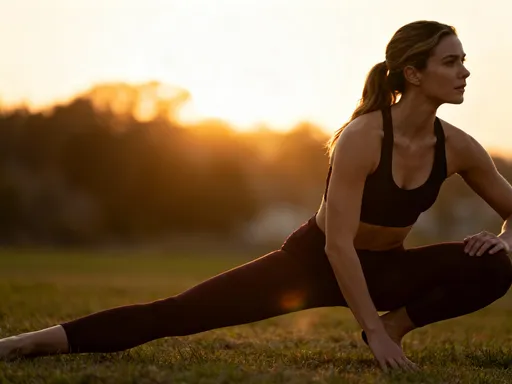
Knowing that exercise benefits hair is one thing; integrating it into a busy life is another. The good news is that you don’t need a complicated routine or expensive equipment to see results. A balanced, realistic plan focused on consistency can make a meaningful difference. A recommended weekly structure includes three days of cardiovascular activity, two days of strength training, and two days of active recovery. This combination supports circulation, muscle tone, and hormonal balance—all of which contribute to healthier hair.
Cardiovascular exercise can be as simple as a 30-minute brisk walk around the neighborhood, a bike ride through the park, or a dance-based workout at home. The goal is to elevate the heart rate enough to stimulate blood flow without overexertion. For women with limited time, breaking activity into two 15-minute sessions—one in the morning, one in the evening—can be just as effective. Morning workouts may offer additional benefits, such as improved energy levels and better sleep quality at night, both of which support overall well-being and, by extension, hair health.
Strength training doesn’t require a gym membership. Bodyweight exercises like squats, lunges, and modified push-ups can be done at home with minimal space. Adding resistance bands or light dumbbells increases effectiveness without complexity. Strength training builds lean muscle, which in turn boosts metabolism and supports hormonal regulation. It also improves posture and circulation, further benefiting the scalp. Two sessions per week, lasting 20–30 minutes each, are sufficient to maintain benefits without overwhelming a schedule.
Active recovery days are just as important. These might include gentle yoga, stretching, or a leisurely walk. Such activities promote relaxation, reduce muscle tension, and enhance blood flow without taxing the body. They also support mindfulness and stress reduction, which, as previously discussed, are critical for hormonal balance. Scheduling these days between more intense workouts allows the body to repair and adapt, preventing burnout and supporting long-term adherence. The key is not intensity, but regularity—showing up for yourself, week after week, in a way that feels sustainable.
Beyond the Gym: Lifestyle Synergy for Stronger Hair
Exercise doesn’t work in isolation. Its benefits are amplified when paired with other healthy lifestyle habits, particularly sleep, hydration, and nutrition. These elements form a synergistic system where each component enhances the others. For example, physical activity increases metabolic rate and improves circulation, which in turn enhances the body’s ability to absorb and utilize nutrients from food. A woman who exercises regularly may find that her body makes better use of protein, iron, zinc, and B vitamins—all of which are essential for strong, healthy hair.
Hydration is another critical factor. Water supports every bodily function, including the transport of nutrients to cells and the removal of waste. Dehydration can lead to dry, brittle hair and a flaky scalp. Exercise increases fluid loss through sweat, making post-workout hydration especially important. Drinking water after a workout not only replenishes lost fluids but also supports detoxification processes that keep the scalp clean and balanced. Adding a slice of lemon or cucumber can make hydration more appealing, encouraging consistent intake throughout the day.
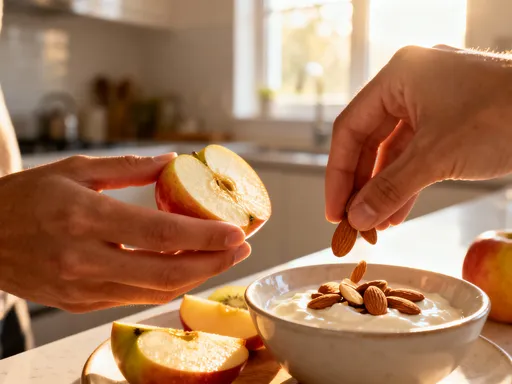
Nutrition plays a central role. While no single food guarantees lustrous hair, a balanced diet rich in whole grains, lean proteins, healthy fats, and colorful vegetables provides the building blocks for keratin production and follicle health. Pairing workouts with smart eating habits—such as consuming a small protein-rich snack afterward—can optimize recovery and support tissue repair. Examples include Greek yogurt with berries, a hard-boiled egg with fruit, or a handful of nuts and an apple. These simple choices reinforce the body’s natural processes, making the most of the physiological changes triggered by exercise.
Sleep completes the cycle. During deep sleep, the body releases growth hormone, repairs tissues, and balances hormones. Poor sleep disrupts this process, increasing cortisol and impairing recovery. Women who exercise regularly often experience deeper, more restful sleep, creating a positive feedback loop. Better sleep leads to less stress, which supports hair health, which in turn boosts confidence and motivation to continue healthy habits. This interconnectedness underscores the importance of viewing wellness holistically—where movement, nourishment, rest, and hydration work together to create optimal conditions for strong, vibrant hair.
Tracking Progress: What to Notice (and When)
Because the effects of exercise on hair are gradual, it’s important to know what to look for and when. Unlike topical treatments that may offer immediate cosmetic improvements, internal changes take time to manifest. Most women begin to see subtle shifts after 8 to 12 weeks of consistent activity. These changes may not be dramatic at first, but they are meaningful. One of the earliest signs is reduced shedding. If you notice fewer hairs in your brush or shower drain, this could indicate that your follicles are stabilizing and entering a healthier growth phase.
Another positive indicator is increased shine and improved texture. As circulation improves and nutrient delivery becomes more efficient, hair may feel stronger and look more lustrous. Some women report that their hair feels thicker or appears fuller, even if actual strand count hasn’t changed significantly. This can be due to better hydration and reduced breakage. Additionally, new growth along the hairline or part line—especially fine, soft hairs known as “baby hairs”—is a promising sign that follicles are becoming more active.
To track progress effectively, consider keeping a simple journal or taking monthly photos under consistent lighting. Note not only hair changes but also how you feel—energy levels, sleep quality, stress resilience. These factors are interconnected, and improvements in overall well-being often precede visible hair changes. Avoid comparing yourself to others or expecting linear results. Hair growth is cyclical, and progress may stall or fluctuate. What matters most is consistency. By staying committed to your routine, you create the conditions for long-term improvement, even if results aren’t immediate.
When to Seek Professional Advice
While lifestyle changes like exercise can significantly support hair health, they are not a substitute for medical evaluation when concerns arise. There are certain red flags that warrant professional attention. Sudden or patchy hair loss, especially in round or irregular bald spots, could indicate an autoimmune condition like alopecia areata and should be assessed by a dermatologist. Similarly, persistent scalp irritation, redness, scaling, or pain may signal an underlying skin condition such as psoriasis or seborrheic dermatitis, which requires targeted treatment.
Excessive shedding—more than 100 hairs per day on a consistent basis—especially if it lasts longer than three months, should also prompt a consultation. While temporary shedding is common after stress or illness, prolonged loss may be linked to hormonal imbalances, thyroid disorders, or nutritional deficiencies that need clinical diagnosis and intervention. Blood tests can identify issues such as low iron, vitamin D deficiency, or thyroid dysfunction, all of which can impact hair health.
A healthcare provider can help determine whether lifestyle adjustments are sufficient or if additional treatment is needed. In many cases, exercise and healthy habits complement medical therapies, enhancing their effectiveness. For example, a woman managing hormonal hair thinning with prescribed treatments may find that regular physical activity improves her overall response by reducing stress and supporting circulation. The goal is not to replace professional care, but to integrate it with self-care practices that empower long-term wellness.
It’s also important to approach hair health with compassion. Many women feel self-conscious about thinning or shedding, but these experiences are more common than often acknowledged. Seeking help is a sign of strength, not failure. With the right support and a comprehensive approach, most hair concerns can be managed effectively. Exercise is a powerful tool, but it works best as part of a broader strategy that includes medical guidance when necessary.
Hair health isn’t just about serums or shampoos—it’s a reflection of your internal environment. A systematic exercise plan doesn’t promise miracles, but it creates the conditions for stronger, more resilient hair over time. By treating your body as a whole, you’re not just working out; you’re building a foundation for lasting wellness.