Why Good Hair Days Start with Your Daily Habits
We all want healthy, shiny hair, but what if the secret isn’t in your shampoo? After years of struggling with dryness and breakage, I realized my habits—from sleep to stress—were the real culprits. It turns out, hair health reflects lifestyle health. Small, consistent choices make a noticeable difference. This isn’t about quick fixes—it’s about building sustainable routines that nourish from within. While salon treatments and serums offer temporary improvements, lasting change begins beneath the surface. Hair is not just a cosmetic feature; it’s a visible indicator of internal wellness. When we overlook the connection between daily habits and hair vitality, we miss the root of the problem—literally. This article explores how fundamental lifestyle factors shape the strength, texture, and growth of your hair, offering science-backed insights and practical steps to support long-term hair health from the inside out.
The Hidden Link Between Lifestyle and Hair Health
Hair is often seen as a reflection of beauty, but it also serves as a biological barometer of overall health. Each strand grows from a follicle embedded in the scalp, drawing nutrients and signals from the body’s internal environment. When the body is under stress, poorly nourished, or lacking restorative sleep, these imbalances often manifest first in the hair. This connection is not anecdotal—scientific research confirms that systemic health directly influences hair growth, thickness, and resilience. The hair growth cycle consists of three main phases: anagen (growth), catagen (transition), and telogen (resting and shedding). Disruptions in any of these phases, particularly prolonged telogen, can lead to noticeable thinning or excessive shedding. Daily habits play a crucial role in maintaining the balance of this cycle, affecting hormone regulation, circulation, and cellular repair processes.
Many people believe that hair problems stem solely from external factors like shampoo ingredients or weather exposure. While environmental damage does contribute, focusing only on topical treatments overlooks the deeper causes. For example, a high-sulfate cleanser may strip natural oils, but chronic fatigue or nutrient deficiencies can impair the follicle’s ability to produce strong, healthy strands in the first place. The scalp is an extension of the skin, and like the rest of the body, it requires proper nourishment, hydration, and protection from internal stressors. When inflammation, hormonal imbalances, or oxidative stress go unchecked, they compromise the microenvironment where hair grows. This means that even the most expensive serums may fail if the body lacks the foundational support needed for optimal hair function.
Understanding this internal-external connection shifts the focus from cosmetic correction to holistic care. Instead of chasing temporary solutions, individuals can adopt habits that promote long-term hair vitality. These include maintaining stable blood sugar levels, supporting liver detoxification pathways, and minimizing systemic inflammation through diet and lifestyle. Over time, such practices help regulate the hormones that influence hair growth, such as cortisol, estrogen, and thyroid hormones. By viewing hair health as an integrated outcome of daily choices, women can take empowered, proactive steps toward stronger, more resilient hair that reflects true wellness.
Sleep: The Overnight Repair You’re Missing
Sleep is one of the most underrated yet essential components of hair health. During deep sleep, the body enters a state of restoration, repairing tissues, balancing hormones, and regenerating cells—including those responsible for hair growth. The anagen phase of the hair cycle, when new strands emerge, is particularly dependent on the quality and duration of rest. Growth hormone, which supports tissue regeneration, peaks during slow-wave sleep. At the same time, melatonin, a hormone produced in response to darkness, has been shown to have antioxidant properties that protect hair follicles from oxidative stress. When sleep is disrupted or insufficient, these restorative processes are compromised, potentially shortening the growth phase and increasing the risk of premature shedding.
One of the most significant ways poor sleep affects hair is through its impact on cortisol, the primary stress hormone. Chronic sleep deprivation leads to elevated cortisol levels, which can disrupt the hair growth cycle and trigger a condition known as telogen effluvium—where a large number of hairs enter the resting phase simultaneously and fall out weeks later. This type of shedding is often temporary but can be distressing, especially when it follows a period of prolonged fatigue or insomnia. Women in their 30s to 50s, who may be managing work, family, and personal responsibilities, are particularly vulnerable to sleep-related imbalances. The cumulative effect of even mild, ongoing sleep disruption can gradually weaken hair over time, making it finer, drier, and less resilient.
Improving sleep hygiene doesn’t require drastic changes—small, consistent adjustments can yield meaningful results. Establishing a regular bedtime and wake-up time helps regulate the body’s internal clock, improving sleep quality over time. Creating a wind-down routine—such as dimming lights, avoiding screens for at least an hour before bed, and engaging in calming activities like reading or light stretching—signals the brain that it’s time to rest. The choice of bedding also plays a subtle but important role. Silk or satin pillowcases create less friction than cotton, reducing the likelihood of breakage and frizz during the night. Additionally, maintaining a cool, quiet sleep environment supports deeper, more restorative rest. By prioritizing sleep as a non-negotiable part of self-care, women can support not only their hair but their overall energy, mood, and long-term health.
Stress Management: Calm Mind, Stronger Strands
Chronic stress is a major contributor to hair thinning and loss, particularly in women navigating demanding roles at home and work. When the body experiences stress—whether emotional, physical, or environmental—it activates the hypothalamic-pituitary-adrenal (HPA) axis, leading to increased cortisol production. While short-term stress responses are normal and even protective, prolonged elevation of cortisol can disrupt multiple bodily systems, including those involved in hair growth. As mentioned earlier, this hormonal imbalance can push hair follicles prematurely into the telogen phase, resulting in diffuse shedding several months later. This delayed effect often makes it difficult to connect stress with hair changes, but the link is well-documented in dermatological research.
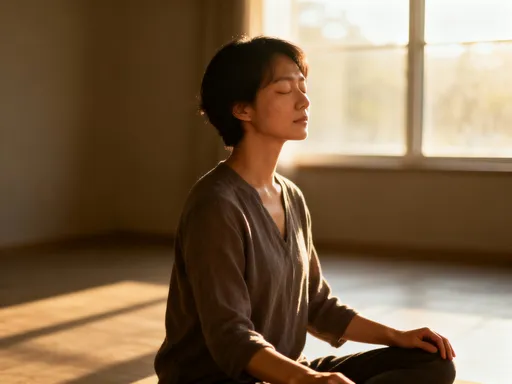
The good news is that stress management doesn’t require hours of meditation or major lifestyle overhauls. Small, intentional pauses throughout the day can help reset the nervous system and reduce cortisol levels. Mindful breathing, for example, activates the parasympathetic nervous system, promoting relaxation and counteracting the fight-or-flight response. Taking just three to five minutes to focus on slow, deep breaths—inhaling through the nose and exhaling fully—can create a noticeable shift in mental and physical state. Similarly, short walks in nature, even around the neighborhood or a local park, provide both physical movement and mental respite, helping to clear the mind and reduce tension.
Digital detox is another effective strategy, especially in an age where constant connectivity contributes to mental fatigue. Setting boundaries around screen time—such as turning off notifications after dinner or designating phone-free hours—can significantly lower stress levels. Replacing late-night scrolling with a calming activity like journaling, sipping herbal tea, or listening to soft music supports emotional balance and better sleep, both of which benefit hair health. The key is consistency: regular, small acts of self-care accumulate over time, creating a more resilient internal environment. When the mind is calmer, the body follows, and hair becomes stronger as a result.
Hydration and Nutrition: Feeding Your Follicles
Just as plants need water and nutrients to thrive, hair follicles depend on proper hydration and a balanced intake of essential nutrients. Water makes up a significant portion of the hair shaft, and dehydration can lead to dryness, brittleness, and increased breakage. The scalp, too, requires adequate moisture to maintain a healthy barrier and prevent flakiness or irritation. Drinking enough water throughout the day—typically six to eight glasses, depending on activity level and climate—supports circulation and nutrient delivery to the scalp. Herbal teas and water-rich foods like cucumbers, oranges, and watermelon can also contribute to overall hydration, making it easier to meet daily fluid needs without relying solely on plain water.
Nutrition plays an equally critical role. Protein is the building block of keratin, the primary structural component of hair. Without sufficient dietary protein, hair growth can slow, and strands may become thin and weak. Good sources include lean meats, poultry, fish, eggs, legumes, and dairy products. Iron is another vital nutrient, particularly for women, as deficiency is linked to hair loss. Iron helps red blood cells carry oxygen to tissues, including hair follicles. Plant-based sources like spinach, lentils, and fortified grains can be effective, especially when paired with vitamin C-rich foods to enhance absorption. Biotin, though often marketed as a hair supplement, is most beneficial when obtained through whole foods like eggs, nuts, and sweet potatoes, rather than high-dose pills, which may not offer additional benefits for those without a deficiency.
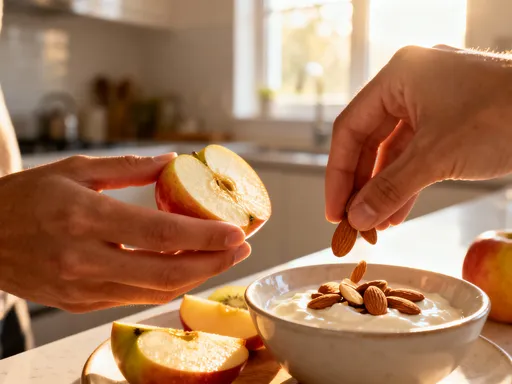
Omega-3 fatty acids, found in fatty fish like salmon, chia seeds, and walnuts, support scalp health by reducing inflammation and maintaining natural oil production. These fats help keep the scalp moisturized and less prone to dryness and irritation. Zinc, selenium, and vitamins A, C, and E also contribute to hair strength and growth, each playing unique roles in cellular repair, antioxidant defense, and sebum regulation. Rather than focusing on isolated nutrients, the most effective approach is to adopt a varied, whole-foods-based diet rich in colorful vegetables, fruits, whole grains, healthy fats, and quality proteins. Simple meal swaps—like choosing quinoa over white rice, adding a handful of berries to breakfast, or snacking on almonds instead of processed crackers—can gradually improve nutritional intake without requiring drastic changes.
Movement Matters: How Exercise Boosts Scalp Circulation
Physical activity is a powerful yet often overlooked factor in hair health. Exercise increases blood circulation throughout the body, including to the scalp, delivering oxygen and nutrients that support follicle function. Improved circulation also aids in the removal of metabolic waste products, creating a cleaner, more efficient environment for hair growth. While no single type of exercise guarantees thicker hair, consistent movement of any kind contributes to overall physiological balance, which in turn benefits hair. The key is finding sustainable forms of activity that fit into daily life without causing burnout or excess strain.
Walking is one of the most accessible and effective options. A daily 30-minute walk, whether in the morning or after dinner, promotes cardiovascular health, reduces stress, and enhances circulation. Unlike high-intensity workouts that may increase cortisol if overdone, moderate aerobic activity like walking supports hormonal balance. Yoga offers similar benefits while also incorporating breathwork and mindfulness, which further support stress reduction. Certain poses, such as downward dog or inversions, may temporarily increase blood flow to the head, though the overall impact comes from the practice’s cumulative effect on relaxation and circulation. Strength training, including bodyweight exercises or light resistance work, also plays a role by improving metabolic health and supporting hormone regulation.
The goal is not perfection but consistency. Even short bursts of movement—such as taking the stairs, parking farther away, or stretching during commercial breaks—add up over time. For women with busy schedules, integrating activity into existing routines can make it more manageable. The benefits extend beyond hair: improved energy, better sleep, and enhanced mood all contribute to a healthier internal environment. When movement becomes a natural part of daily life, rather than a chore, it supports long-term well-being and, by extension, stronger, more vibrant hair.
Daily Routines That Protect, Not Damage
While internal health lays the foundation, external habits also play a critical role in maintaining hair integrity. Many common styling practices, though convenient, can cause cumulative damage over time. Heat styling tools like flat irons, curling wands, and blow dryers weaken the hair’s protein structure when used excessively or without protection. Similarly, tight hairstyles such as high ponytails, buns, or braids place constant tension on the follicles, potentially leading to traction alopecia—a type of hair loss caused by prolonged pulling. Overwashing can strip the scalp of its natural oils, disrupting the moisture barrier and leading to dryness or irritation. Even seemingly harmless habits like rough towel drying—rubbing hair vigorously with a cotton towel—can cause frizz and breakage due to friction.
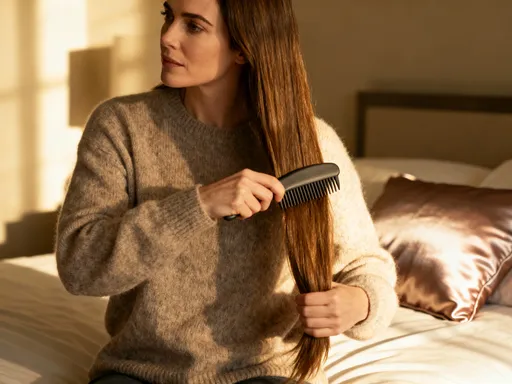
Fortunately, small adjustments can significantly reduce damage without sacrificing style. Air drying, whenever possible, eliminates heat exposure and preserves hair strength. When using a blow dryer, applying a heat protectant and using the lowest effective heat setting minimizes harm. Opting for loose hairstyles that don’t pull on the roots allows follicles to function without strain. Using soft hair ties made of silk or fabric, rather than elastic bands, reduces breakage. Gentle brushing techniques—starting from the ends and working upward with a wide-tooth comb or natural bristle brush—help detangle without snapping fragile strands.
The cumulative effect of these protective habits becomes evident over weeks and months. Hair becomes less prone to split ends, shedding decreases, and natural shine improves. These changes are not immediate, but they are sustainable. By shifting focus from aggressive styling to preservation, women can maintain healthier hair with less effort. The philosophy is not about eliminating all styling but about making mindful choices that prioritize long-term health over short-term convenience. Over time, these small, consistent actions build a foundation of resilience that supports both appearance and well-being.
Putting It All Together: Building a Hair-Healthy Lifestyle
Healthy hair is not the result of a single action but the sum of consistent, balanced habits. No one change—whether better sleep, improved diet, or reduced heat styling—works in isolation. The body functions as an interconnected system, and hair reflects the harmony or imbalance within it. This means that lasting improvement comes not from quick fixes but from integrating multiple supportive practices into daily life. The goal is not perfection but progress: making small, manageable changes that build upon one another over time. Starting with one habit—such as drinking more water, going to bed 30 minutes earlier, or taking short daily walks—creates a foundation for additional changes without overwhelming the routine.
Layering new habits gradually increases the likelihood of long-term success. For example, after establishing a consistent sleep schedule, a woman might add a simple meal prep habit, like preparing a batch of quinoa or roasted vegetables at the start of the week. Once movement becomes routine, she might explore stress-reduction techniques such as journaling or mindful breathing. Each step reinforces the others, creating a positive feedback loop where better energy, mood, and physical health support continued motivation. The key is patience: hair grows slowly, typically about half an inch per month, so visible changes may take several months to appear. However, many women report improved texture, reduced shedding, and increased shine within weeks of adopting healthier habits.
It’s also important to recognize when professional guidance is needed. While lifestyle changes can address many common hair concerns, persistent thinning, sudden shedding, or scalp issues may indicate underlying medical conditions such as thyroid disorders, hormonal imbalances, or nutrient deficiencies. In such cases, consulting a healthcare provider or dermatologist is essential. Blood tests can identify specific imbalances, and targeted treatments can be prescribed when necessary. The lifestyle strategies outlined in this article are designed to complement, not replace, medical care. When used together, they offer a comprehensive approach to hair health that honors both the body’s needs and the individual’s well-being.
Ultimately, the journey to healthier hair is also a journey toward greater self-care. The habits that support strong, vibrant strands—nourishing food, restful sleep, stress management, and mindful movement—enhance overall quality of life. Women who prioritize these practices often find that they feel more energized, focused, and emotionally balanced, regardless of how their hair looks. Hair becomes not just a reflection of beauty but a symbol of commitment to health. By making small, sustainable choices every day, it’s possible to cultivate not only good hair days but a healthier, more fulfilling life.