How I Took Control of My Blood Pressure – A Real Talk on Long-Term Wellness
High blood pressure crept up on me quietly—no dramatic symptoms, just a wake-up call during a routine check. That moment changed everything. I realized managing it wasn’t about quick fixes, but building a sustainable, everyday routine. This is my journey: the struggles, the small wins, and the practical steps that made a real difference. It’s not a cure, but a life-changing shift—one that could help you, too.
The Silent Wake-Up Call: Recognizing the Risk
It happened during a regular visit to my doctor—nothing felt out of the ordinary. I wasn’t experiencing headaches, dizziness, or chest pain. In fact, I felt fine. But when the nurse read the numbers aloud—145 over 95—I froze. That was the first time I truly understood that feeling well doesn’t always mean being well. High blood pressure, often called the “silent killer,” doesn’t announce itself with loud alarms. It builds gradually, damaging blood vessels, straining the heart, and increasing the risk of serious health events over time. For many women in their 30s, 40s, and beyond, this condition develops without clear warning signs, making it especially dangerous.
One of the most common misconceptions is that if you don’t feel sick, your body must be healthy. But hypertension rarely causes noticeable symptoms in its early stages. Some people may assume that only those who are overweight, stressed, or have a family history need to worry. While these factors do increase risk, even active, healthy-seeming individuals can develop high blood pressure. Age, lifestyle habits, and long-term stress all contribute, often without immediate feedback from the body. That’s why regular health screenings are so important. A simple blood pressure check during an annual physical can reveal what your body isn’t telling you.
My diagnosis was a turning point—not because I was suddenly in crisis, but because I now had information. Knowledge became power. Instead of dismissing it as a one-time anomaly, I chose to take it seriously. I began tracking my numbers at home and paying closer attention to how my daily choices might be influencing them. Awareness didn’t cure me, but it gave me the foundation to act. Understanding that high blood pressure is manageable with consistent effort helped me shift from fear to focus. Prevention isn’t about avoiding illness—it’s about creating a lifestyle that supports long-term heart health.
Understanding Blood Pressure: What Your Numbers Really Mean
Before I could manage my blood pressure, I needed to understand what those two numbers actually represented. Systolic pressure—the top number—measures the force your heart exerts when pumping blood through the arteries. Diastolic pressure—the bottom number—reflects the pressure in the arteries when the heart is at rest between beats. Together, they offer a snapshot of how hard your cardiovascular system is working. Normal blood pressure is generally considered to be below 120 over 80 mm Hg. Elevated levels fall between 120–129 over less than 80, while hypertension begins at 130 over 80 or higher, according to widely accepted clinical guidelines.
What many don’t realize is that even slightly elevated readings over time can cause damage. The constant pressure against artery walls leads to stiffening and scarring, reducing their elasticity. This makes the heart work harder, increasing the risk of heart disease, stroke, and kidney problems down the line. It’s not just about reaching a dangerous peak—it’s the cumulative effect of living with higher-than-optimal pressure day after day. Think of it like a garden hose under constant high pressure: eventually, the material weakens, develops leaks, or bursts. Your arteries respond similarly when subjected to prolonged stress.
Medication can help bring numbers down, but it doesn’t address the root causes for most people. Lifestyle plays a central role in both the development and management of hypertension. That’s why understanding your numbers is only the first step. The next is recognizing that long-term control depends on daily habits—what you eat, how you move, how you rest, and how you manage emotional strain. Blood pressure isn’t a static measurement; it fluctuates based on activity, time of day, stress levels, and hydration. Seeing it as a dynamic indicator rather than a fixed label helped me take ownership of my patterns and make informed adjustments.
Mindset Shift: From Crisis Mode to Daily Commitment
At first, I approached my diagnosis like an emergency—something to fix quickly and forget. I looked for magic solutions: supplements, extreme diets, intense workout plans. But within weeks, I burned out. The truth is, high blood pressure isn’t solved by short-term intensity. It’s managed through long-term consistency. The real transformation came when I stopped chasing dramatic results and started focusing on small, repeatable actions. This wasn’t about perfection; it was about progress. I learned to appreciate the value of doing a little each day, even when I didn’t see immediate changes on the monitor.
Changing my mindset meant letting go of all-or-nothing thinking. I used to believe that unless I was following a strict regimen, I wasn’t doing enough. But sustainable health doesn’t come from deprivation or rigid rules. It comes from building routines that fit into real life. Some days, that meant choosing a walk over scrolling through my phone. Other days, it meant skipping the salty snack or drinking an extra glass of water. These choices didn’t feel heroic, but over time, they added up. I began to see myself not as someone fighting a disease, but as someone nurturing my body with care and intention.
Emotionally, the journey wasn’t linear. There were moments of fear—wondering if I’d ever get my numbers down. There were times of denial—telling myself I could relax the rules “just this once.” And there were periods of low motivation, when the effort felt pointless. What helped me stay on track was self-awareness. I started journaling my readings, meals, and moods. This allowed me to spot patterns and recognize triggers. More importantly, it fostered a sense of personal accountability. I wasn’t doing this because a doctor told me to—I was doing it because I wanted to feel strong, energized, and in control of my own well-being.
Diet That Works: Eating for Stability, Not Deprivation
Food became one of my most powerful tools in managing blood pressure. What surprised me was not how much I had to give up, but how much better I felt when I made thoughtful changes. Sodium was the first culprit I addressed. Processed foods—canned soups, frozen meals, packaged snacks—are loaded with hidden salt. I began reading labels and was shocked to discover that a single serving of some convenience foods contained more than half the recommended daily limit. Reducing processed items and cooking more meals at home made a noticeable difference. I didn’t eliminate salt entirely, but I became mindful of how and when I used it.
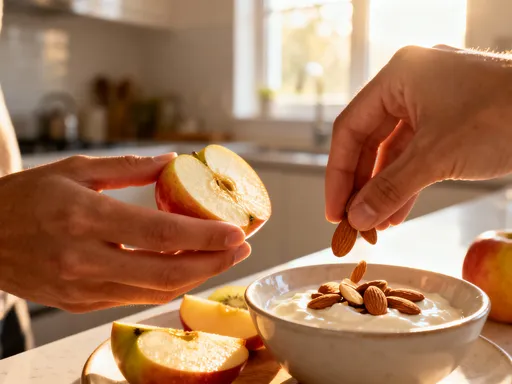
Potassium emerged as an unexpected ally. This mineral helps balance sodium levels in the body and supports healthy blood vessel function. Foods like bananas, sweet potatoes, spinach, avocados, and beans became staples in my kitchen. I didn’t follow a strict diet plan, but I made a habit of filling half my plate with vegetables and whole grains. I swapped white bread for whole grain, replaced sugary breakfast cereals with oatmeal topped with fruit, and chose grilled fish or skinless chicken over fried or heavily seasoned meats. These weren’t drastic overhauls—they were gradual shifts that became second nature.
One of the most helpful strategies was meal planning. On Sundays, I’d prepare a few simple dishes—roasted vegetables, quinoa, grilled chicken strips—that could be mixed and matched throughout the week. This saved time and reduced the temptation to order takeout when I was tired. I also learned to make smart substitutions: using herbs and spices instead of salt for flavor, choosing low-sodium broths, and drinking water or herbal tea instead of sugary drinks. Eating well didn’t mean sacrificing enjoyment—it meant rediscovering the taste of fresh, wholesome ingredients. Over time, my cravings changed. I no longer craved overly salty or greasy foods. My body began to respond to nourishment, not just convenience.
Movement as Medicine: Finding Joy in Daily Activity
Exercise used to feel like punishment—something I had to endure to lose weight or “be good.” But when I reframed physical activity as medicine for my heart, everything changed. Movement improves circulation, helps regulate stress hormones, and supports healthy blood vessel function. The good news? You don’t need intense workouts to benefit. For blood pressure management, consistency matters far more than intensity. A daily 20- to 30-minute walk can be more effective than sporadic high-effort sessions. I started with short walks around my neighborhood, gradually increasing my pace and distance. Within weeks, I noticed improvements in my energy levels and my readings.
I also incorporated gentle stretching and light resistance exercises. Simple routines like seated leg lifts, wall push-ups, and shoulder rolls helped me stay active without straining my joints. On days when I felt fatigued, I focused on mobility rather than exertion. Even standing up and moving every hour during long periods of sitting made a difference. I discovered that movement didn’t have to be structured or time-consuming. Gardening, folding laundry, dancing while cooking—these everyday activities all contribute to cardiovascular health when done regularly.
One of the biggest challenges was overcoming mental barriers. I used to think, “I don’t have time,” or “I’m too tired.” But I learned to reframe those thoughts. Instead of viewing exercise as an added task, I began to see it as self-care—a way to clear my mind and recharge. I scheduled short activity breaks like appointments, protecting that time as non-negotiable. I also found accountability by walking with a friend or joining a community fitness class designed for adults. The social aspect made it more enjoyable and easier to stick with. Over time, movement became something I looked forward to, not something I dreaded.
Stress, Sleep, and the Hidden Triggers
One of the most overlooked factors in blood pressure management is stress. When we’re under emotional or mental strain, the body releases hormones like cortisol and adrenaline. These cause temporary spikes in heart rate and blood pressure—an evolutionary response designed for short-term survival. But when stress becomes chronic, these spikes happen too frequently, putting constant strain on the cardiovascular system. I began to notice that my readings were higher on busy, overwhelming days. This realization pushed me to prioritize mental well-being just as much as diet and exercise.
Sleep emerged as another critical piece. Poor or inconsistent sleep disrupts hormonal balance and increases inflammation, both of which can elevate blood pressure. I used to stay up late catching up on chores or scrolling through my phone, thinking I was being productive. But I was actually undermining my health. I started practicing better sleep hygiene: setting a consistent bedtime, turning off screens an hour before sleep, and creating a calming nighttime routine with herbal tea and soft lighting. Within a few weeks, I fell asleep faster and woke up feeling more rested. My morning blood pressure readings reflected the improvement.
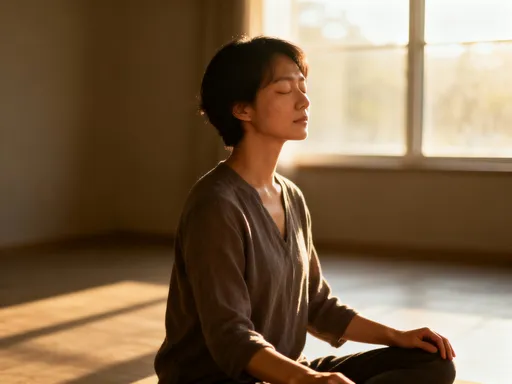
Mindfulness practices also made a tangible difference. I began with just five minutes a day of focused breathing—inhaling slowly through the nose, holding briefly, and exhaling fully. This simple act helped calm my nervous system and reduce the physical tension I carried. I also experimented with guided meditations and gentle yoga, which combined movement with breath awareness. These practices didn’t eliminate stress, but they gave me tools to respond to it more calmly. Over time, I developed a greater sense of inner balance. I became more aware of my emotional triggers and learned to pause before reacting. This emotional regulation had a direct impact on my physical health.
Building a Supportive Environment: Tools, Tracking, and Teamwork
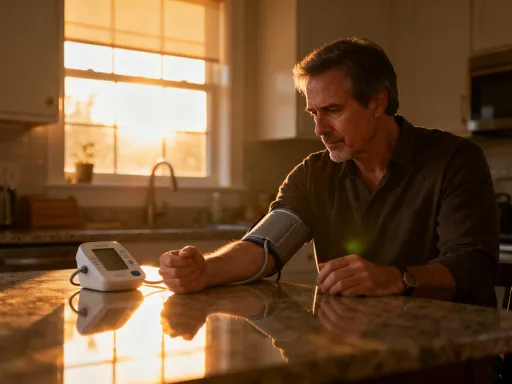
Managing blood pressure is easier when you’re not doing it alone. One of the most empowering steps I took was investing in a home blood pressure monitor. Checking my numbers regularly helped me stay informed and motivated. I recorded my readings in a simple journal, noting the time of day, recent meals, activity level, and how I was feeling. This log became a valuable tool during doctor visits. Instead of relying on memory, I could show my healthcare provider actual trends and patterns. It also helped me identify what worked—and what didn’t.
Communication with my doctor improved when I came prepared with questions and data. I learned to ask about the purpose of my medications, potential side effects, and lifestyle strategies that could complement treatment. I also shared my concerns openly—whether it was about side effects, motivation, or confusion about guidelines. A strong patient-provider relationship is built on honesty and collaboration. I stopped seeing my doctor as an authority figure who simply gave orders, and started viewing them as a partner in my health journey.
I also involved my family in small ways. I explained why I was making certain changes and invited them to join me—whether it was trying a new recipe or taking an evening walk together. Their support wasn’t about monitoring me, but about creating a home environment that encouraged healthy habits. We didn’t change everything at once, but over time, our household meals became more balanced, and our downtime included more movement and less screen time. Having loved ones on the same page reduced feelings of isolation and made the journey feel more sustainable.
Finally, I learned to recognize when I needed professional help. While lifestyle changes are powerful, they don’t replace medical care. If my numbers remained high despite consistent effort, or if I experienced new symptoms, I knew it was time to consult my doctor. I also sought support from a registered dietitian to refine my eating plan and explored stress management workshops offered through my community health center. Taking a team-based approach ensured I had the resources and guidance I needed to succeed.
Conclusion: A Life Reimagined, One Healthy Choice at a Time
Looking back, I see my journey not as a series of restrictions, but as an act of self-respect. High blood pressure didn’t define me—it revealed a path toward greater awareness and intentionality. The changes I made weren’t about achieving perfection, but about building a life that supports long-term wellness. Progress wasn’t fast, but it was steady. My numbers improved. My energy increased. And most importantly, I regained a sense of control over my health.
This journey taught me the value of patience, persistence, and self-compassion. There were setbacks—days when I slipped into old habits or felt discouraged by slow progress. But I learned to treat myself with kindness, to celebrate small victories, and to keep moving forward. Health isn’t a destination; it’s a daily practice. Every meal, every step, every moment of mindfulness is a choice that shapes your well-being.
If you’re facing a similar challenge, know that you’re not alone. Start small. Pick one habit—drink more water, take a short walk, read a food label—and build from there. Consistency, not intensity, creates lasting change. And while this plan focuses on lifestyle strategies that support healthy blood pressure, it’s essential to work with a qualified healthcare provider. This information is based on established health principles and personal experience, but it does not replace professional medical advice, diagnosis, or treatment. Your health journey is personal, but you don’t have to walk it alone. With the right mindset, tools, and support, long-term wellness is within reach.