Breathe Like You Mean It: How Simple Breathing Changed My Daily Life
Ever feel like your mind’s running a marathon you didn’t sign up for? I did—until I discovered the power of conscious breathing. It’s not magic, just science-backed calm packed into a few quiet moments. No pills, no gear, just you and your breath. I started with just two minutes a day and noticed a real shift—less edge, more ease. This is about tuning in before you burn out. In a world that never stops asking for more, breathing offers a rare pause that costs nothing and gives back everything. It’s not about escaping life, but meeting it with greater clarity, balance, and resilience.
The Overlooked Superpower: What Is Conscious Breathing?
Most of us breathe without thinking—literally. Breathing happens automatically, like a background app running on low power. But when we shift from unconscious to conscious breathing, we take control of that app and upgrade its performance. Conscious breathing means paying attention to your breath with intention. It’s not just surviving with oxygen; it’s using your breath as a tool to influence your mental and physical state. Think of it as a software update for your nervous system—one that doesn’t require a download or a subscription.
This kind of breathing involves deliberate patterns: slowing down, deepening, pausing. It’s not about forcing air into your lungs or holding your breath until you turn blue. Instead, it’s gentle, focused, and accessible to anyone. Unlike automatic breathing, which responds to your body’s basic needs, conscious breathing sends signals to your brain that you are safe, present, and in control. It’s a form of internal communication that many people overlook, yet it’s always available.
At its core, conscious breathing is part of a broader idea called health consciousness. This means tuning in to your body’s subtle cues before they become loud warnings. A tight shoulder, a racing heart, a foggy mind—these are not just random inconveniences. They’re messages. When you practice conscious breathing, you train yourself to notice them earlier and respond with care. Over time, this builds a deeper connection between mind and body, helping you stay ahead of stress, fatigue, and imbalance.
Why Your Breath Holds the Reset Button
The reason conscious breathing works so well lies in the body’s autonomic nervous system, which controls functions like heart rate, digestion, and breathing. This system has two main branches: the sympathetic, which activates during stress, and the parasympathetic, which promotes relaxation. When you're stuck in traffic, late for an appointment, or overwhelmed by a to-do list, your sympathetic system kicks in—raising your heart rate, tightening your muscles, and flooding your bloodstream with stress hormones like cortisol.
Conscious breathing acts as a direct line to the parasympathetic nervous system. When you slow and deepen your breath, especially with a focus on longer exhalations, your body receives the message that danger has passed. This triggers what scientists call the relaxation response—a state of calm that lowers blood pressure, slows heart rate, and reduces muscle tension. You don’t need to be in a quiet room or wear special clothes. You just need to breathe with awareness.
Research has consistently shown that controlled breathing practices can reduce anxiety, improve emotional regulation, and enhance focus. These aren’t dramatic claims made by wellness influencers—they’re findings supported by neuroscience. When you breathe with intention, you’re not just calming your body; you’re also giving your brain a chance to reset. The prefrontal cortex, responsible for decision-making and self-control, functions better when stress levels are low. This means you’re more likely to respond thoughtfully instead of reacting impulsively.
Another powerful effect of conscious breathing is its ability to break the cycle of rumination. Many people, especially those juggling family, work, and personal goals, find their minds circling the same worries again and again. This mental loop keeps the nervous system on high alert. But when you focus on your breath, even for a few minutes, you create a pause in that cycle. It’s like hitting a mute button on internal noise, allowing space for clarity to return.
My “Aha” Moment: From Skeptic to Believer
I didn’t come to conscious breathing willingly. I came to it out of desperation. There was a week when everything seemed to pile up at once—my youngest was sick, my older child had a school presentation, and I had a deadline I couldn’t miss. I remember sitting at the kitchen table at 6 a.m., staring at my laptop, my chest tight, my thoughts racing. I wasn’t crying, but I felt close. I knew I couldn’t keep going like this.
That’s when I remembered something I’d read about breathing exercises. I didn’t believe it would help, but I had nothing to lose. I set a timer for two minutes and closed my eyes. I tried to inhale slowly through my nose, hold for a few seconds, and exhale even more slowly. My mind kept drifting—to the laundry, to the unanswered emails, to the fact that I hadn’t eaten breakfast. I felt silly. I wondered if I was doing it wrong. But I kept going.
When the timer went off, I opened my eyes. Nothing had changed in the outside world. The dishes were still in the sink. The kids were still asleep. But something inside me had shifted. The tightness in my chest had eased. My thoughts weren’t racing as fast. I didn’t feel fixed, but I felt more capable. That small moment didn’t solve my problems, but it gave me the strength to face them without falling apart.
That was my turning point. I wasn’t suddenly a breathing expert, but I was curious. I started doing it again the next day, then the next. Some days it felt pointless. Other days, like that first one, it made a real difference. I stopped expecting miracles and started valuing moments of calm. Over time, those moments added up. I began to see breathing not as a fix, but as a practice—one that helped me stay grounded in the midst of life’s chaos.
The 3-Minute Method That Actually Works
If you’re wondering where to start, one of the most effective and easy-to-learn techniques is box breathing. It’s simple: inhale for four seconds, hold for four, exhale for four, and pause for four. That’s one cycle. Repeat for three to five minutes. You don’t need any special training or equipment. You can do it sitting in your car, standing in the kitchen, or lying in bed.
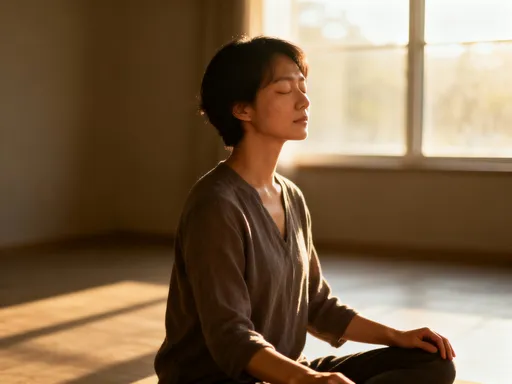
Here’s how to practice it step by step. First, find a comfortable position. Sit with your back straight but not stiff, feet flat on the floor if you’re seated. Place your hands gently in your lap. Close your eyes or soften your gaze. Begin by taking a few natural breaths to settle in. Then, start the pattern: inhale slowly through your nose for a count of four. Feel your belly and chest expand. Hold the breath gently for four seconds—no straining. Then, exhale slowly through your mouth or nose for four seconds, letting go of tension. Pause for four seconds before the next inhale. That’s one full cycle.
Repeat this for at least three minutes. If four seconds feels too long at first, shorten it to three. The goal isn’t perfection; it’s consistency. Focus on the sensation of air moving in and out, the rise and fall of your chest. When your mind wanders—and it will—gently bring your attention back to the breath. Don’t judge yourself. This is practice, not performance.
The best times to use this method are moments when you need to reset: first thing in the morning, before a stressful conversation, during a work break, or at bedtime. I like to do it before I check my phone in the morning. It sets a calm tone for the day. Others find it helpful right before bed, as it signals to the body that it’s time to wind down. The key is to choose a time that fits your routine and stick with it.
How It Fits Into Real Life (No Zen Masters Required)
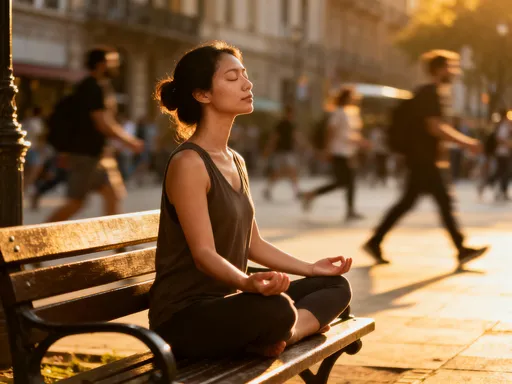
One of the biggest myths about breathing exercises is that you need silence, solitude, and hours of free time. The truth is, you don’t. You can practice conscious breathing in the middle of a busy day, even with noise and distractions around you. The challenge isn’t the technique—it’s making it part of your life. Many people say they want to try it but never do, often because of common barriers like lack of time, forgetfulness, or self-consciousness.
Let’s address those one by one. “I don’t have time” is perhaps the most common excuse. But consider this: most people spend several minutes each day scrolling through their phones, waiting in line, or sitting in traffic. Those are perfect opportunities to breathe. You don’t need a full hour. Even 60 seconds of focused breathing can shift your state. Think of it as a mental reset button you carry with you at all times.
“I forget” is another real issue. Our lives are full of demands, and self-care often falls to the bottom of the list. One practical solution is to link your breathing practice to an existing habit. For example, do a few rounds after brushing your teeth, while your coffee brews, or right before you turn on the car. These small anchors make it easier to remember. You can also set a gentle reminder on your phone or leave a sticky note on your bathroom mirror.
And then there’s the feeling that it’s “silly” or “weird.” If you feel self-conscious, start in private. No one needs to know. This is for you. You’re not performing; you’re caring for yourself. Over time, as you experience the benefits, the self-consciousness fades. It’s normal to feel awkward at first. The important thing is to keep going, even if it feels strange. Progress matters more than comfort.
Beyond Calm: Unexpected Perks of Daily Breathing
While the most obvious benefit of conscious breathing is reduced stress, the ripple effects go much further. Many people report improved sleep after just a few weeks of regular practice. When your nervous system is less reactive, your body finds it easier to relax at night. You may fall asleep faster, wake up less often, and feel more rested in the morning. This isn’t a sleep aid—it’s a natural shift in your body’s ability to rest.
Another common benefit is sharper focus. In a world full of distractions, maintaining attention is a challenge. Conscious breathing trains your mind to return to a single point—your breath. This strengthens your ability to concentrate, not just during the practice but throughout the day. Whether you’re reading, working, or having a conversation, you may find yourself more present and less distracted.
Physical symptoms like tension headaches and tight shoulders also tend to improve. When you’re stressed, your muscles hold onto that tension, especially in the neck, jaw, and back. Slow, deep breathing helps release that tension by improving circulation and signaling safety to the body. Over time, you may notice fewer aches and greater physical ease.
Perhaps the most profound benefit is increased body awareness. As you tune in to your breath, you become more attuned to other sensations—your energy levels, your emotions, your posture. This awareness helps you catch imbalances early. You might notice when you’re pushing too hard, when you need a break, or when you’re neglecting your own needs. It’s not about becoming hyper-vigilant, but about developing a kinder, more attentive relationship with yourself.
Making It Stick: From Practice to Habit
Like any new habit, conscious breathing takes time to stick. The key is to start small and stay consistent. Don’t aim for ten minutes a day right away. Begin with one or two minutes. Even that can make a difference. The goal isn’t duration; it’s regularity. Doing a little every day builds momentum far better than doing a lot once in a while.
Tracking your progress can help, but keep it simple. You don’t need an app or a journal unless it feels supportive. A checkmark on your calendar or a mental note can be enough. The point is to acknowledge your effort, not to judge your performance. Some days you’ll remember; some days you won’t. That’s normal. Self-compassion is essential. On days when you skip your practice, don’t scold yourself. Just begin again the next day.
Pairing your breathing with an existing routine increases the chances of success. If you always make tea in the afternoon, take a minute to breathe before you sip. If you pray or reflect at night, add a few breaths to that moment. These small pairings turn breathing into a natural part of your day, not an extra task.
Finally, avoid the all-or-nothing mindset. You don’t have to be perfect. You don’t have to love it every time. Some days it will feel like a lifeline. Other days, it might feel boring or pointless. That’s okay. What matters is showing up. Over time, the benefits accumulate, even when you don’t notice them right away. This isn’t a cure for every problem, but it is a reliable tool—one that grows more valuable the more you use it.
Conclusion: Your Breath, Your Anchor
Conscious breathing is one of the simplest yet most powerful tools we have for managing stress, improving focus, and enhancing overall well-being. It doesn’t require money, equipment, or special training. It only requires your attention and a willingness to pause. In a life filled with constant motion, it offers a moment of stillness that can change everything.
This practice isn’t about achieving perfection or becoming someone else. It’s about returning to yourself, again and again, with kindness and awareness. It’s about learning to listen to your body before it has to shout. And it’s about building a quiet resilience that carries you through tough days with greater ease.
You already have everything you need. Your breath is always with you—steady, reliable, and free. It’s not a quick fix, but a lifelong companion. Start small. Be patient. Stay consistent. Over time, you may find that those few quiet moments of breathing become the foundation of a calmer, clearer, and more centered life. Just breathe—and mean it.