How I Rebuilt My Energy with Qigong After Burnout — A Real Healing Journey
I used to feel constantly drained, no matter how much I slept. After months of stress and exhaustion, I turned to traditional Chinese medicine and discovered qigong—not as a quick fix, but as a daily practice that slowly rebuilt my strength. This is how I created a simple, practical qigong-based wellness plan that helped me recover energy, focus, and balance—naturally and gently, without pressure or perfection. It wasn’t dramatic. There were no sudden breakthroughs or miraculous recoveries. But over time, something shifted. My mornings became less heavy. My thoughts cleared. I stopped dreading the day before it even began. This is not a story of transformation through force, but of healing through presence, patience, and small, consistent choices.
The Breaking Point: When Rest Wasn’t Enough
For more than a year, fatigue clung to me like a second skin. I would sleep eight, sometimes nine hours a night, only to wake up feeling as though I hadn’t rested at all. My body felt heavy, my mind foggy, and my emotions fragile. Simple tasks—answering emails, preparing meals, even folding laundry—required disproportionate effort. I tried everything that was supposed to help: cutting back on caffeine, taking magnesium supplements, using sleep trackers, and even booking a weekend retreat. Yet nothing made a lasting difference. The exhaustion wasn’t just physical; it was emotional and mental. I was present in my life, but barely participating in it.
At first, I assumed I just needed more rest. But rest, as I came to understand, is not the same as recovery. True recovery requires more than lying still—it demands that the nervous system recalibrate, that the body’s internal rhythms regain balance. Conventional approaches focused on symptoms: sleep, diet, exercise. But they didn’t address the deeper dysregulation that burnout had created. I was running on a depleted battery, and plugging in for a few hours wasn’t enough. I needed a way to recharge from within, not just manage the surface signs of fatigue.
It was during a consultation with a practitioner of traditional Chinese medicine that I first heard about qigong. She didn’t offer a prescription or a supplement. Instead, she asked about my daily rhythms, my breathing habits, and how I moved through space. She spoke of energy not as a metaphor, but as a tangible force that could be cultivated, directed, and restored. I was skeptical. The word ‘qigong’ sounded esoteric, even mystical. I associated it with images of people in flowing robes moving slowly in parks, something perhaps beautiful but not necessarily practical. Yet I was out of options. My doctor had ruled out serious medical conditions, but also admitted that chronic fatigue often had no quick solution. So, out of quiet desperation, I decided to give it a try—not because I believed in it, but because I had nothing to lose.
Qigong Demystified: What It Really Is (And Isn’t)
Before beginning, I needed to clear up my misconceptions. Qigong is not a religion, nor is it a performance art. It does not require belief in any particular philosophy or worldview. At its core, qigong is a system of self-care rooted in movement, breath, and awareness. The word itself comes from two Chinese terms: ‘qi,’ meaning vital energy or life force, and ‘gong,’ meaning skill or practice. So qigong literally translates to ‘the practice of cultivating energy.’ But this energy is not supernatural. In practical terms, it refers to the body’s functional vitality—the way blood flows, nerves fire, muscles relax, and the mind stays alert without strain.
Qigong consists of gentle physical movements coordinated with slow, deep breathing and a focused mind. It is not aerobic exercise, nor is it high-intensity training. It doesn’t build muscle or burn calories in the way that running or weightlifting does. Instead, it works on a subtler level: regulating the autonomic nervous system, improving circulation, and enhancing body awareness. Think of it as a form of internal hygiene—like brushing your teeth, but for your nervous system. Just as dental hygiene prevents decay over time, qigong supports long-term resilience by preventing the buildup of stress-related tension.
One of the most important things I learned is that qigong is not about perfection. There is no ‘right’ way to look while practicing, no ideal posture that must be achieved. It is not a performance for others or even for oneself. The goal is not to master complex forms, but to reconnect with the body’s natural rhythms. This was a relief. In a world that often demands productivity and visible results, qigong offers a rare permission: to move slowly, to breathe fully, and to simply be present. It does not ask you to do more. It asks you to do less—but with greater awareness.
Why Qigong Works for Recovery: The Science Behind the Calm
What surprised me most was discovering that qigong is not just tradition—it has growing scientific support. Research in integrative medicine has shown that practices combining slow movement and breath regulation can significantly reduce cortisol, the primary stress hormone. A 2013 meta-analysis published in the Journal of Psychosomatic Research found that mind-body practices like qigong were associated with measurable improvements in anxiety, depression, and fatigue. These effects are not placebo-driven fantasies; they reflect real physiological changes.
The mechanism is rooted in nervous system regulation. When we are under chronic stress, the sympathetic nervous system—the ‘fight-or-flight’ mode—becomes overactive. This keeps the body in a state of high alert, even when there is no immediate danger. Over time, this leads to fatigue, poor sleep, and difficulty concentrating. Qigong helps activate the parasympathetic nervous system—the ‘rest-and-digest’ response—through slow, rhythmic breathing and gentle movement. This shift doesn’t happen instantly, but with regular practice, the body begins to relearn how to relax.
The concept of ‘qi’ can be understood in modern terms as the integration of physiological systems. When blood flow improves, oxygen reaches the brain and muscles more efficiently. When breathing becomes deeper and more diaphragmatic, the vagus nerve is stimulated, promoting calm. When attention is focused on the present moment, mental chatter decreases. These are not mystical phenomena; they are measurable biological responses. Qigong doesn’t create energy out of nothing. It helps the body use its existing resources more efficiently. It removes blockages—tension, shallow breathing, mental distraction—that prevent energy from flowing freely.
Studies have also shown benefits for specific symptoms common in burnout. A 2018 trial involving healthcare workers found that an eight-week qigong program led to significant improvements in sleep quality, emotional regulation, and perceived energy levels. Another study in the American Journal of Health Promotion reported that participants with chronic fatigue syndrome experienced reduced symptom severity after practicing qigong regularly. These findings don’t suggest that qigong is a cure-all, but they do confirm that it is a valuable tool for recovery, especially when fatigue is rooted in nervous system dysregulation rather than a single medical cause.
Building My Daily Practice: Small Steps That Made a Difference
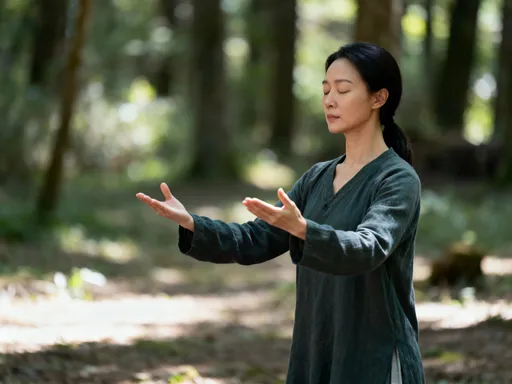
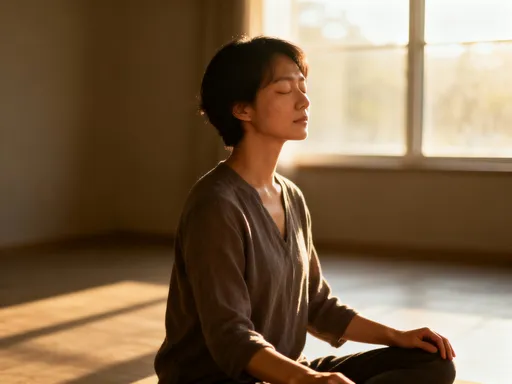
I started small—so small that it felt almost silly. My first practice was five minutes of standing meditation. I stood with my feet shoulder-width apart, knees slightly bent, arms loosely at my sides. I focused on my breath, inhaling slowly through the nose, feeling the abdomen rise, and exhaling fully. That was it. No movements, no mantras, no special clothing or equipment. Just standing and breathing. I did this every morning, right after waking, before checking my phone or making coffee.
At first, I noticed how hard it was to stay still. My mind raced. I felt impatient. I kept checking the clock, wondering if the five minutes were up. But I committed to consistency, not intensity. I told myself that even if I only stood quietly for two minutes, it still counted. The goal wasn’t to achieve a perfect state of calm, but to show up. Over time, those five minutes became something I looked forward to. They weren’t about fixing anything—they were about creating a moment of pause in a life that had been moving too fast.
After two weeks, I added a simple arm-raising movement. Inhaling, I lifted my arms slowly in front of me to shoulder height. Exhaling, I lowered them. I repeated this for three to five minutes, staying focused on the breath and the sensation of movement. It was barely physical exertion, but it created a sense of flow. Later, I incorporated walking qigong—slow, deliberate steps, each coordinated with the breath. I practiced in my backyard, barefoot on the grass, feeling grounded. Each addition was small, never overwhelming. The key was progression without pressure.
Missing a day didn’t derail me. In fact, I learned that flexibility was part of the practice. There were mornings when I was too tired or too busy. Instead of feeling guilty, I reminded myself that qigong was about self-compassion, not discipline in the punitive sense. Some days, I only had two minutes. Other days, I practiced for fifteen. The important thing was that I kept returning. Over three months, what began as a desperate experiment became a non-negotiable part of my routine—a daily appointment with myself.
Tailoring Qigong to Real Life: A Flexible Rehab Framework
One of the greatest strengths of qigong is its adaptability. It doesn’t require a special studio, expensive gear, or hours of free time. I built a loose structure around my daily rhythm: a morning centering practice, a midday reset, and an evening wind-down. Each segment was brief and could be adjusted based on my energy level.
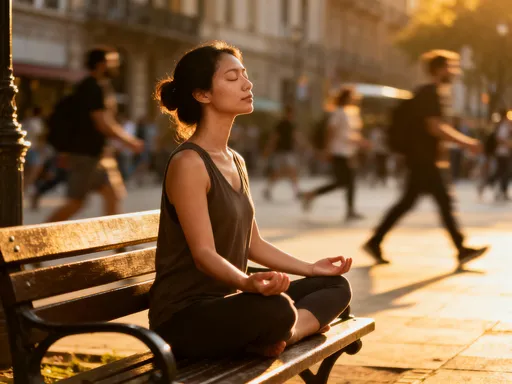
In the morning, I did five to ten minutes of standing meditation or gentle stretching to awaken the body and set an intentional tone for the day. This wasn’t about energizing like a workout; it was about grounding. During the day, especially if I felt overwhelmed after a meeting or a long stretch of screen time, I took a three-minute reset: stepping outside, breathing deeply, and doing a few slow arm sweeps. These micro-practices helped interrupt the cycle of mental fatigue and prevented stress from accumulating.
In the evening, I shifted to more soothing movements—slow twists, seated forward bends, and breath-focused stillness. This helped signal to my body that the day was ending and supported better sleep. On days when my energy was particularly low, I practiced lying down, focusing only on the breath. On better days, I extended the practice or added new sequences. The structure was there, but it was never rigid. I listened to my body, not a schedule.
This flexibility made qigong sustainable. Unlike rigid fitness programs that demand consistency at all costs, qigong honors the reality of fluctuating energy. It doesn’t shame you for being tired. It meets you where you are. For a woman managing a household, possibly caring for children or aging parents, this adaptability is essential. Wellness shouldn’t add to the burden. It should weave seamlessly into the fabric of daily life, not demand that life be put on hold.
Beyond Movement: The Hidden Healing Layers of Qigong
What I didn’t expect was how deeply qigong would affect my emotional and mental state. At first, I thought of it as a physical practice—something to help my body recover. But over time, I noticed changes in how I processed stress. I became less reactive. When frustration arose, I didn’t spiral as quickly. I started to recognize tension in my shoulders or jaw before it turned into a headache. This heightened body awareness was a form of emotional intelligence.
The mindfulness component of qigong played a key role. By focusing on the breath and movement, I was training my attention to stay in the present. This reduced the mental chatter that had kept me awake at night—ruminating over past mistakes or worrying about future responsibilities. I began to see that much of my exhaustion wasn’t from what I was doing, but from the constant mental commentary about what I should be doing. Qigong created space between stimulus and response, allowing me to choose how to engage with my thoughts instead of being hijacked by them.
There were also subtle physical changes. My digestion improved. I noticed I wasn’t as bloated after meals. My sleep became deeper and more continuous. I woke up less frequently during the night. I had more patience—with myself, with my family, with the inevitable delays and frustrations of daily life. These weren’t dramatic shifts, but they accumulated. I wasn’t just recovering energy; I was rebuilding resilience. I learned to see rest not as laziness, but as an active form of healing. Moving slowly wasn’t a sign of weakness—it was a way of honoring my body’s needs.
Integrating with Care: When to Seek Professional Support
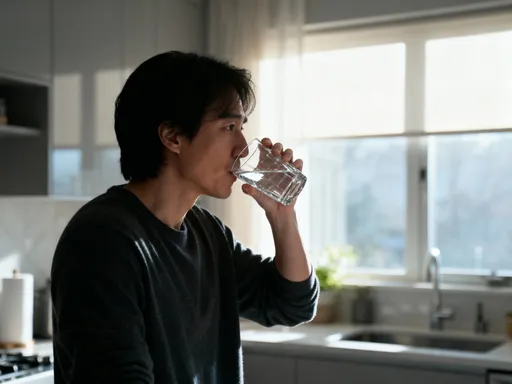
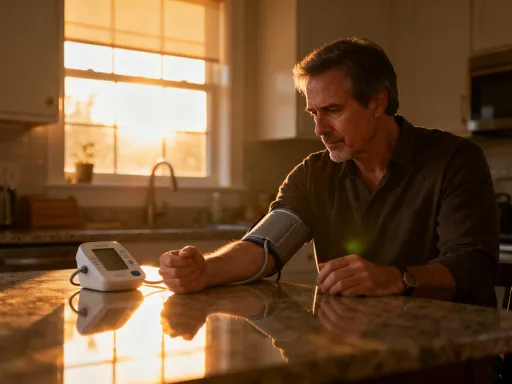
It’s important to emphasize that qigong is not a substitute for medical care. While it played a central role in my recovery, it was part of a broader approach. I continued to work with my primary care provider, especially to rule out underlying conditions like thyroid dysfunction or anemia, which can mimic burnout symptoms. I also paid attention to nutrition, hydration, and sleep hygiene—foundational elements that support any healing process.
For anyone experiencing prolonged fatigue, professional guidance is essential. Chronic fatigue, depression, anxiety, and other conditions require proper diagnosis and treatment. Qigong can complement therapy, medication, or physical rehabilitation, but it should not replace them. In my case, my healthcare provider was supportive of my interest in mind-body practices and even referred me to a wellness coach who specialized in integrative approaches.
I also learned the value of pacing. Recovery is not linear. There were days when I felt worse after practicing, usually because I pushed too hard or expected too much. A qualified instructor helped me adjust my movements and set realistic expectations. For those new to qigong, seeking instruction from a certified practitioner—especially one experienced in working with recovery or chronic illness—can make a significant difference. Online videos can be helpful, but personalized feedback ensures safety and effectiveness.
Combining qigong with other evidence-based practices created a synergistic effect. Eating balanced meals, staying hydrated, limiting screen time before bed, and maintaining social connections all contributed to my progress. Qigong wasn’t a magic solution; it was one piece of a holistic puzzle. But it was the piece that helped me reconnect with my body and reclaim a sense of agency over my health.
Qigong didn’t transform me overnight, but it gave me back a sense of agency over my health. This gentle practice became the foundation of a sustainable recovery—not by fixing me, but by teaching me how to listen, breathe, and move with my body, not against it. It reminded me that healing is not about pushing harder, but about creating space for restoration. For any woman walking the quiet path of recovery—from burnout, from illness, from the cumulative weight of daily life—qigong offers a compassionate, accessible way to rebuild strength from the inside out. It doesn’t demand perfection. It simply asks you to begin, wherever you are, and to keep returning, one breath at a time.